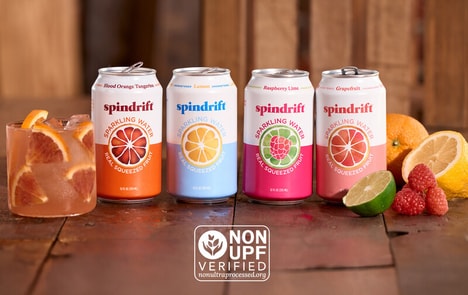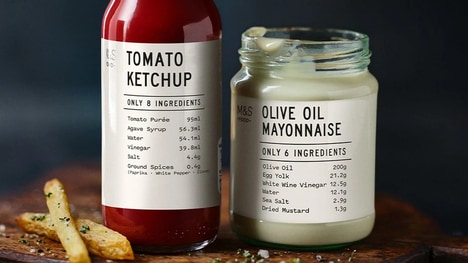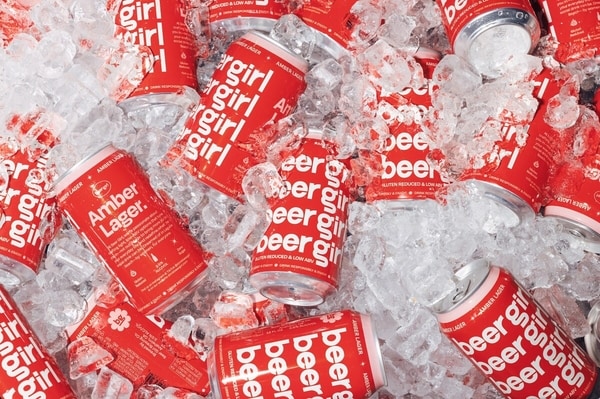
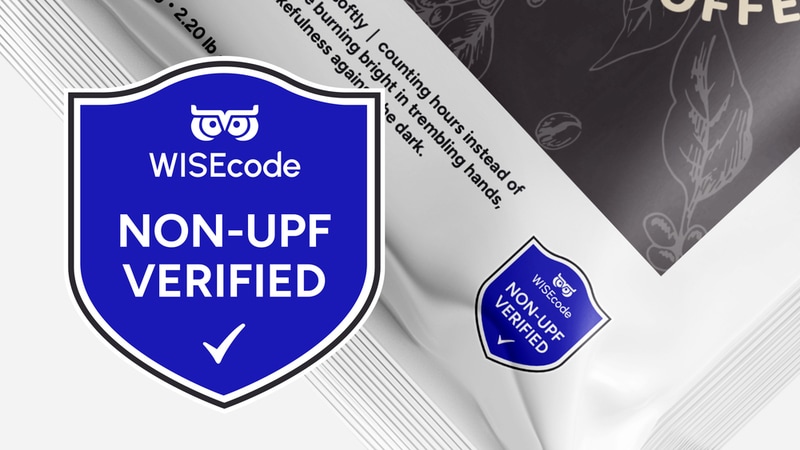
At Natural Products Expo West, WISEcode launched the Non-UPF Shield, a verification program for brands, and a redesigned WISEcode UPF Detector mobile app. The Non-UPF Shield indicates that a product meets WISEcode’s non-ultra-processed threshold, making it easier for consumers to easily and consistently make confident food choices.
The Non-UPF Shield differentiates itself in several notable ways. Firstly, unlike traditional certification programs that require considerable paperwork and manual reviews, the Non-UPF Shield makes the most of WISEcode’s pre-built ingredient database and automated review system. Secondly, the Non-UPF Shield isn't just a mark, so when a product doesn't meet the requirements, WISEcode calls out the specific ingredients and processing techniques to assist brands in their reformulation efforts.
What's Driving This Trend
- Automated Ingredient Verification
- Emerging systems that pair comprehensive ingredient databases with automated review logic enable rapid, scalable verification of product processing levels that can supplant labor-intensive certification workflows.
- Transparent Reformulation Guidance
- Programs that publicly identify problematic ingredients and processing steps create pathways for iterative product reformulation and open up new collaboration models between brands and verification platforms.
- Confidence-driven Trust Marks
- Visible, standardized labels tied to machine-verified criteria are shifting consumer trust signals away from opaque marketing claims toward data-backed badges that influence purchasing behavior.
Who This Affects Most
- Food and Beverage Manufacturing
- Manufacturers face opportunities to integrate automated verification outputs into R&D and production pipelines, enabling streamlined reformulation and differentiation around processing standards.
- Retail and Grocery
- Retailers and grocers can leverage verified non-UPF indicators to curate assortments and merchandising strategies that align with growing demand for less-processed options.
- Food Tech Software
- Software providers that build ingredient databases, automated review engines, and API-driven verification services are positioned to become critical infrastructure for third-party certification and label ecosystems.