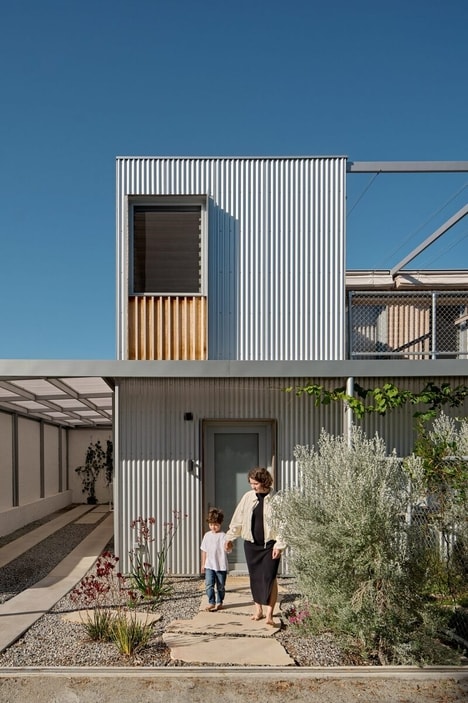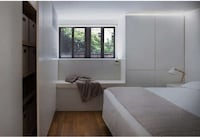

With urban centers around the world continuing to grow and densify, space is at a premium. In Singapore, nitton architects has managed to create expansive living spaces emulating landed housing out of a typical 3-bedroom public housing flat through fluid, open concept design.
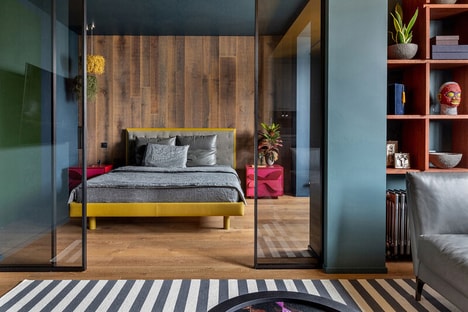
One of the first decisions that the studio made when designing the apartment interior was to remove all non-structural walls within the unit. Sliding partitions, a full-height glass wall, and an indoor garden were put in place to configure a layered spatial experience.
Image Credit: Lee Siew Weng
What Makes This Trend Stand Out
- Open Concept Design
- The trend towards open concept design is growing as it maximizes small living spaces and contributes to a sense of spaciousness even in densely populated areas.
- Multi-functional Spaces
- As living spaces become smaller, the trend towards multi-functional spaces is growing, providing more flexibility and versatility in how people use their living spaces.
- Natural Elements
- Bringing natural elements into living spaces is a growing trend, promoting relaxation and wellness in an increasingly fast-paced and stressful urban environment.
Sectors Adopting This
- Architecture & Design
- Architects and designers are presented with disruptive innovation opportunities by contributing to the development of sustainable and adaptable living solutions that maximize space and comfort.
- Smart Home Technology
- The use of smart technology at home can help maximize the use of space and enhance the experience of small living areas.
- Furniture & Interior Design
- Furniture and interior design innovations can contribute to the growing trend of multi-functional spaces by creating adaptable and flexible furniture solutions that maximize limited space.