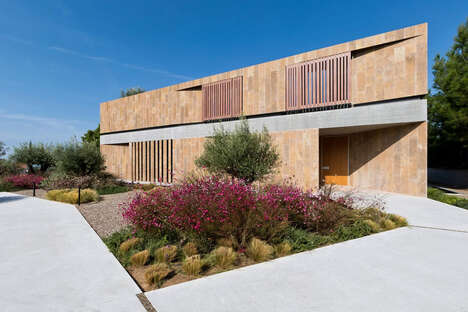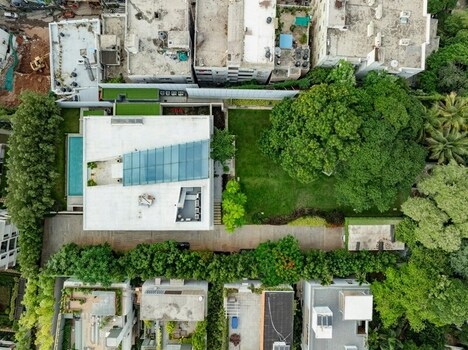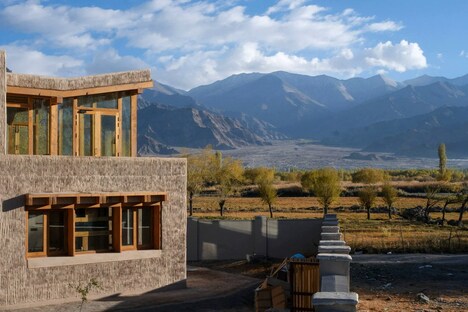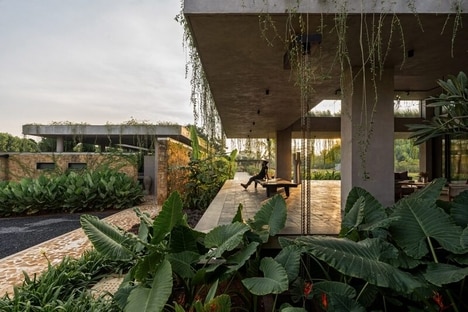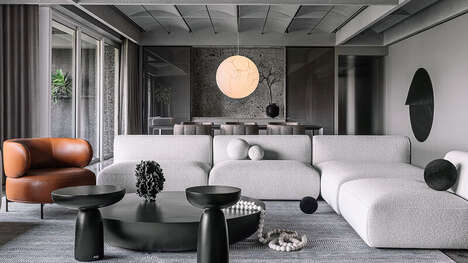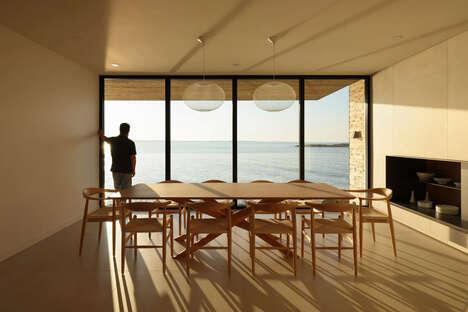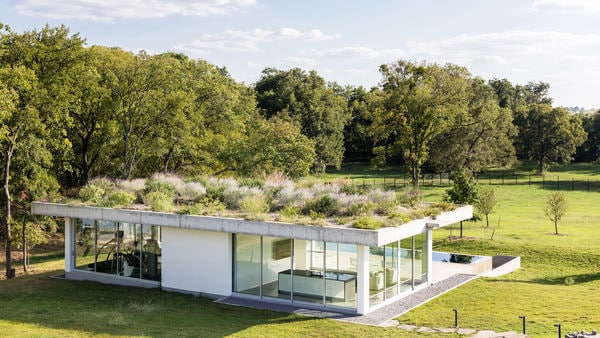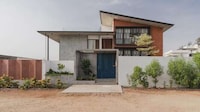
Spasm Design built a monolithic home that expresses the qualities and aesthetics of the Dhrangadhra stone. Located in Ahmedabad, India, this private residence is shaped like a cross. Due to the properties of the construction material and the layout of the architectural plan, the monolithic home enjoys cross-ventilation, a "seamless connection with the outdoors," as well as a "sense of containment and scale."
The Dhrangadhra stone is known to have a mottled texture and bone coloration. The material was cost-effective for Spasm Design because it was sourced locally. In addition, the rock has proven to age extremely well, adding a sense of character and peace of mind for the future of the monolithic home.
Photo Credits: Umang Shah, Photographix, Edmund Sumner
Key Themes Behind This Trend
- Monolithic Architecture
- The use of monolithic construction materials and designs can create unique and sustainable homes with natural aesthetics.
- Local Sourcing
- Utilizing locally-sourced materials can offer cost-efficient and environmentally friendly solutions for architectural projects.
- Natural Integration
- Creating a seamless connection between indoor and outdoor spaces can enhance the overall experience and functionality of a home.
Where This Applies
- Architecture
- The architectural industry can explore monolithic construction techniques to create innovative and visually striking structures.
- Construction
- The construction industry can capitalize on the trend of utilizing locally sourced materials for sustainable and cost-effective building projects.
- Interior Design
- Interior designers can focus on creating designs that seamlessly integrate natural elements and outdoor spaces into the overall design scheme of a home.