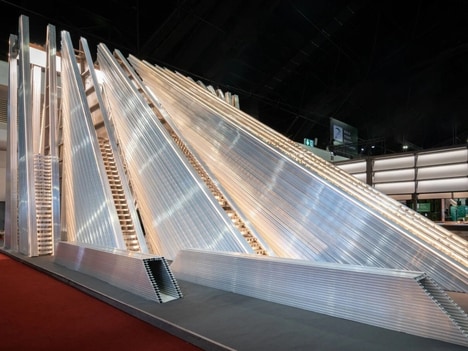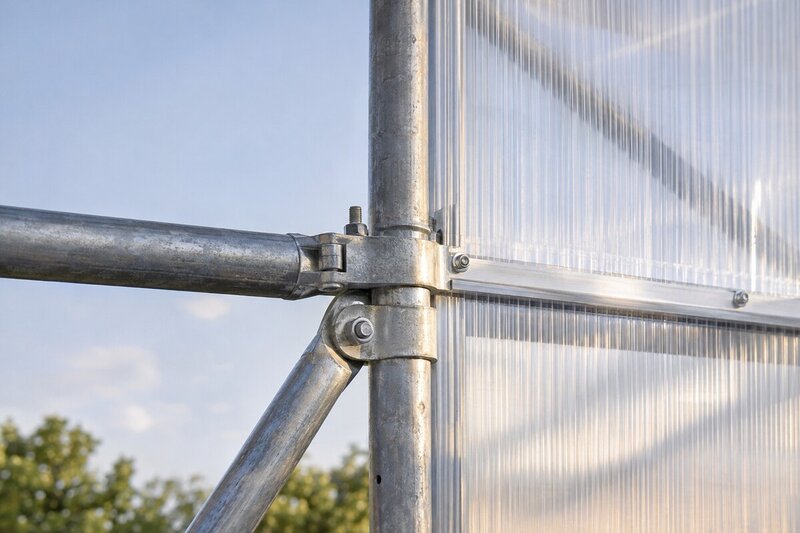
AT-LARS designed the Pertamina MotoGP Experience Gallery as a pavilion for circuit visitors and event organizers, using modular scaffolding as both structure and form so the venue can be altered, enlarged or moved over a multi-year run. Completed in 2024 at Indonesia’s Pertamina Mandalika International Circuit in Lombok, the building covers 1,400 square meters, rises across two levels and took four months to build.
An open-air spine separates the galleries and was designed to help crowds move between exhibitions and overlooks without forcing activity indoors. Prefabricated polycarbonate panels soften daylight by day and turn the pavilion into a marker at night, giving events a shell that works during exhibitions and race weekends.
AT-LARS shows how a reusable scaffolding frame can turn a gallery into event infrastructure that circuit operators can keep adapting, while prefabricated panels support a quick build-out.
Image Credit: AI-generated
Key Themes Behind This Trend
- Modular Event Architecture
- Reusable scaffolding systems are reshaping temporary venues into adaptable assets that can expand, relocate and serve multiple event formats over time.
- Prefabricated Venue Shells
- Lightweight panelized enclosures create faster build timelines while offering flexible daylight control, nighttime visibility and reduced reliance on permanent construction.
- Open-air Crowd Infrastructure
- Semi-outdoor circulation spines support safer visitor flow and hybrid programming by blending exhibition, viewing and movement zones within one venue framework.
Where This Applies
- Sports Venues
- Circuit operators and stadium owners gain new possibilities for scalable hospitality, exhibition and fan engagement spaces without committing to fixed structures.
- Event Management
- Large-scale organizers can benefit from venues that shift between race weekends, brand activations and cultural programs through reconfigurable modular layouts.
- Construction Technology
- Scaffolding-led design and prefabricated components point to more agile building models where speed, reuse and adaptability become core project values.