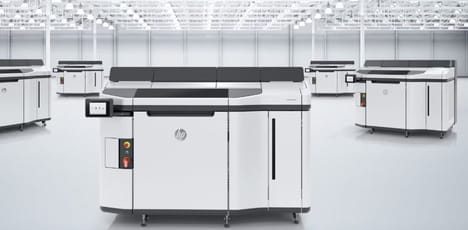

Modovolo introduced its BFP (Build. Fly. Print.) modular 3D printing platform, a U.S.-built system designed to manufacture large aerospace and industrial components close to where they are needed. The containerized platform will use Lyten’s PA1205 filament, a nylon-based material enhanced with proprietary 3D Graphene technology.
The BFP system was developed after Modovolo could not find an existing industrial printer that met its aerospace performance and cost requirements. Its modular design supports distributed production using U.S.-sourced materials and equipment. Lyten says PA1205 can improve print speed, reduce warping and produce lighter, stronger parts for structural applications.
For aerospace, defense and industrial users, the combination could shorten supply chains by enabling durable components to be produced nearer deployment sites. The partnership expands a materials relationship that began in 2025 into Modovolo’s broader manufacturing platform.
Image Credit: Modovolo
Why This Trend Is Growing
- Containerized Additive Manufacturing
- Portable production platforms create new potential for manufacturing large, mission-critical parts closer to deployment sites while reducing logistics complexity.
- Graphene-enhanced Filaments
- Advanced composite materials are reshaping 3D printing performance by enabling lighter, stronger and faster-produced components for demanding structural applications.
- Distributed Industrial Production
- Localized fabrication networks signal a shift away from centralized supply chains toward more resilient, responsive manufacturing models.
Industries Being Reshaped
- Aerospace Manufacturing
- Large-format modular printing introduces new possibilities for producing certified lightweight components near aircraft assembly, maintenance or operational locations.
- Defense Logistics
- Forward-deployed additive systems could transform spare parts availability by supporting durable component production in remote or time-sensitive environments.
- Industrial Equipment
- High-strength printed materials offer manufacturers alternative pathways for creating custom, lower-weight parts with reduced tooling and inventory dependence.