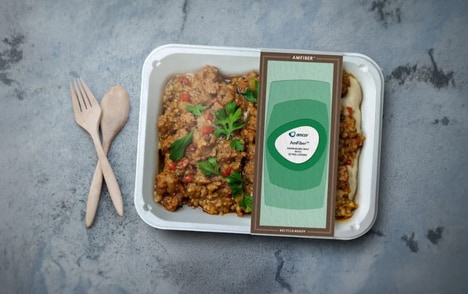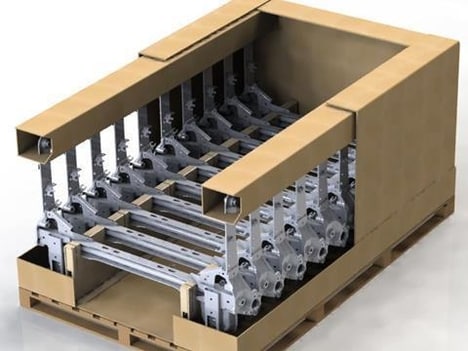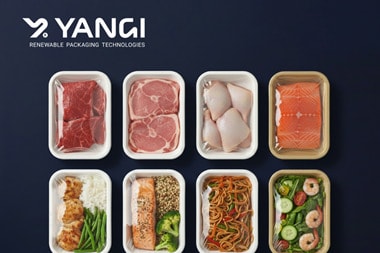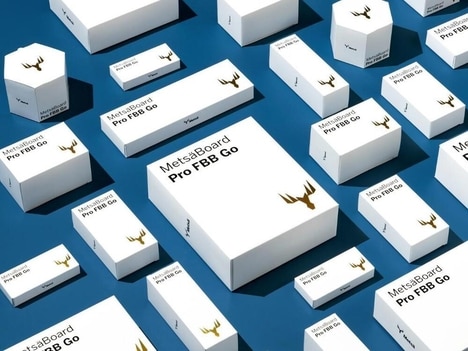
Valmet introduced Valmet 3D Fiber, a technology that manufactures lightweight, three-dimensional food packaging from cellulose fibres, featuring a high-capacity process designed for trays, plates and other fibre-based packaging formats. Developed with Metsä Spring, the solution combines fibre layering technology, automation and production efficiency while enabling the circulation of side streams and trim waste within the manufacturing process.
Valmet said the technology offers wider market opportunities than conventional wet-moulded fibre alternatives and supports resource-efficient production through improved process efficiency. The company positions the platform as an end-to-end solution for packaging manufacturers looking to expand fibre-based production and strengthen circular manufacturing practices.
For packaging producers and consumers, Valmet 3D Fiber provides a renewable alternative for food packaging while supporting the transition away from conventional materials. The launch reflects growing demand for scalable fibre-based packaging technologies that improve production efficiency and advance circular economy goals.
Image Credit: Valmet
What's Driving This Trend
- 3D Fiber Packaging
- Lightweight cellulose formats signal new potential for scalable molded food packaging that competes with plastic on form, throughput and resource efficiency.
- Circular Manufacturing Systems
- Integrated reuse of side streams and trim waste creates a more closed-loop production model where packaging plants reduce material loss while improving operational economics.
- Renewable Foodservice Formats
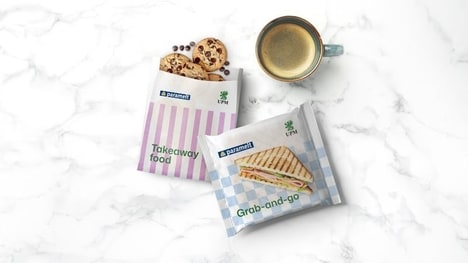
- Growing demand for trays, plates and takeaway containers made from fibers reflects a market shift toward renewable packaging that supports sustainability targets without sacrificing industrial scale.
Who This Affects Most
- Packaging Manufacturing
- High-capacity fiber-forming platforms expand the competitive landscape for producers seeking differentiated formats beyond conventional wet-molded alternatives.
- Foodservice Packaging
- Restaurants, caterers and prepared-food brands gain access to lightweight cellulose containers that align disposable formats with consumer expectations for lower-impact materials.
- Pulp and Paper
- Advanced fiber-layering technology gives pulp-based material suppliers a pathway into higher-value three-dimensional packaging applications tied to circular economy growth.