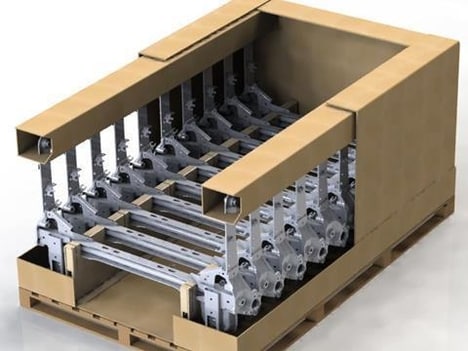
Lightweight packaging materials are helping manufacturers reduce resource consumption while maintaining the strength and performance required for modern shipping and retail applications. Holmen has expanded its Holmen Elevate range with a fresh-fibre fluting designed for lightweight corrugated packaging structures. The addition allows brands to use fresh-fibre liner and fluting components within the same packaging system, creating lighter solutions for e-commerce, retail displays, and food packaging. With grades starting at 72 gsm, the range aims to reduce material use, transportation weight, and associated emissions without sacrificing packaging functionality.
The growing focus on packaging efficiency is creating demand for materials that balance sustainability, cost control, and product protection. Lightweight containerboard can help brands lower shipping expenses, reduce raw material consumption, and support environmental goals while maintaining supply chain performance. For packaging manufacturers, resource-efficient materials present opportunities to meet evolving retailer and consumer expectations while helping businesses improve operational efficiency and reduce their overall environmental footprint.
Image Credit: Holmen
Why This Trend Is Growing
- Fresh-fibre Fluting
- Integration of fresh-fibre fluting into corrugated structures creates potential for lighter, mono-fibre systems that lower transport emissions while maintaining stacking strength.
- Material-efficiency for E-commerce
- Demand for reduced-weight packaging in online retail is driving solutions that balance lower gsm materials with protective performance to cut shipping costs and carbon intensity.
- Low-gsm High-strength Papers
- Advances in papermaking that deliver strength at 72 gsm and below enable novel structural designs that preserve product protection while drastically reducing raw material use.
Industries Being Reshaped
- Corrugated Packaging Manufacturing
- Manufacturers of corrugated board face the opportunity to reengineer line setups and product portfolios around fresh-fibre, low-weight grades that change cost and sustainability profiles.
- E-commerce Fulfillment and Logistics
- Fulfillment networks could realize lower per-package shipping weights and storage footprints as lightweight containerboard becomes viable for transit-protective parcels.
- Food Packaging and Retail Displays
- Retail and food packaging applications present scope for lighter, recyclable corrugated options that preserve food safety and visual merchandising performance while reducing material input.