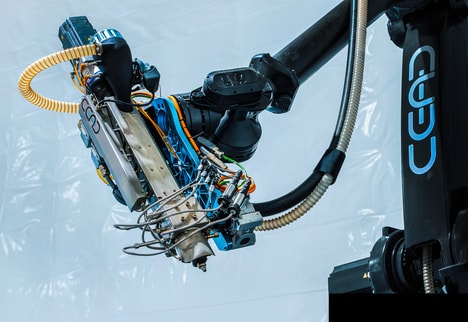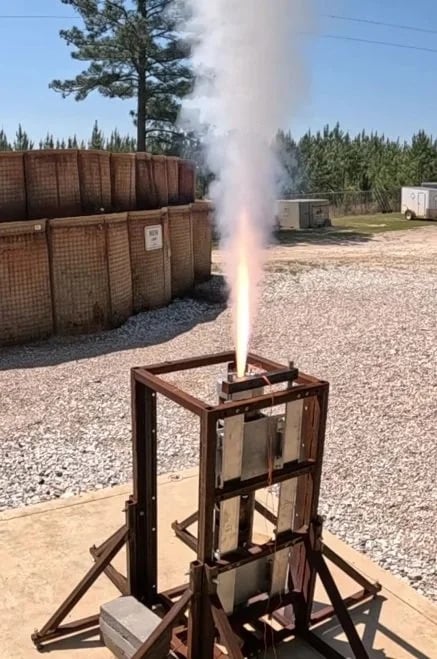
Additive defense propulsion is gaining momentum as aerospace and defense companies explore 3D printing technologies for next-generation rocket systems. Chromatic 3D Materials recently demonstrated this shift through successful static fire testing of its additively manufactured rocket propellant, capable of sustaining combustion pressures above 1800 psi. The company’s RX-AM manufacturing platform allows propellant to be printed directly into structural components, enabling lighter designs, customized thrust control, and faster production timelines compared to traditional manufacturing methods. By combining energetic materials with multi-material additive manufacturing, the approach creates new possibilities for rocket performance and operational flexibility.
For businesses and defense organizations, the technology could reduce reliance on centralized supply chains while supporting faster, on-demand production of propulsion systems. Aerospace manufacturers may benefit from lower production costs, quicker prototyping cycles, and improved scalability. The development also strengthens interest in distributed manufacturing models designed to improve defense readiness, supply chain resilience, and rapid deployment capabilities.
Image Credit: Chromatic 3D Materials
Why This Trend Is Growing
- Additively Manufactured Propellants
- The ability to 3D print rocket propellant into structural components suggests propulsion systems can be redesigned for weight reduction and integrated functionality.
- Multi-material Energetic Integration
- Combining energetic materials with multi-material additive processes points to propulsion architectures that blend fuel, structure, and control features within a single printed assembly.
- Distributed On-demand Propulsion
- On-site and rapid production of propulsion components implies a shift toward decentralized manufacturing networks that enhance readiness and shorten deployment timelines.
Industries Being Reshaped
- Aerospace and Defense
- Defense contractors and space companies stand to see platform-level performance gains as printed propellants enable lighter vehicles and customizable thrust profiles.
- Supply Chain and Logistics
- Logistics networks could be reconfigured around local fabrication nodes, reducing dependency on long lead-time suppliers and improving resilience under disruption.
- Advanced Manufacturing Services
- Service providers offering specialized additive production could capture demand for rapid prototyping and small-batch, mission-specific propulsion components.