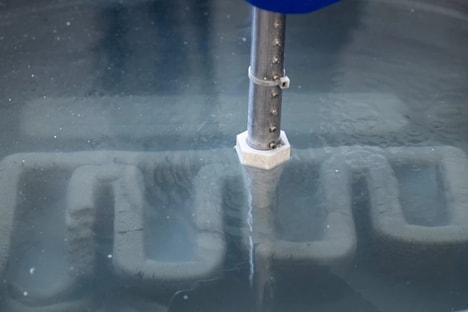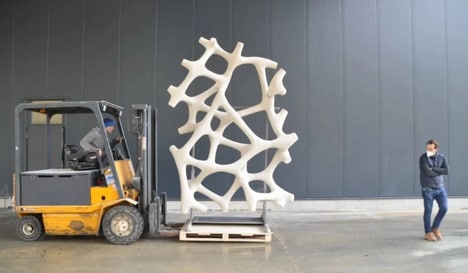

Engineers at MANUFACTRA developed a 3D-printable concrete alternative made from corn waste named 'Concretl', introduced by Fast Company coverage of the research, featuring a blend of milled corn residue with binding minerals designed to form structural panels. The material was presented as a printable paste that cures into a dense, load-bearing composite, intended for use in building components rather than traditional poured concrete. Designers tested printability and strength, and reports described processing steps like milling, mixing with lime and other mineral binders, and extruding via additive manufacturing hardware.
For consumers and builders, the approach points to lower-carbon, circular-material options that reuse agricultural byproducts and reduce reliance on cement-heavy mixes; it aligns with trends toward bio-based, printable construction parts that cut waste and embodied emissions.
Image Credit: MANUFACTRA
What Makes This Trend Stand Out
- Bio-based 3D Printing Materials
- A new class of printable pastes using plant residues offers the potential to replace cement-heavy mixes with renewable binders in prefabricated building components.
- Agricultural Waste Circularization
- By valorizing corn residue into structural composites, residue streams can be transformed into high-value inputs that close material loops between farming and construction.
- Low-carbon Structural Composites
- Printable lime-bound panels demonstrate an opportunity to cut embodied emissions of load-bearing elements through alternative binders and reduced cement content.
Sectors Adopting This
- Construction Materials Manufacturing
- Manufacturers of panels and prefabricated systems could integrate corn-based composites to diversify product portfolios with lower-emission alternatives.
- Additive Manufacturing for Construction
- Large-format extrusion and robotics firms may enable on-site or factory 3D printing of bio-composite components that change assembly workflows.
- Agricultural Supply Chain and Waste Management
- Grain processors and waste aggregators could develop new revenue streams by supplying milled residues as feedstock for structural composite production.