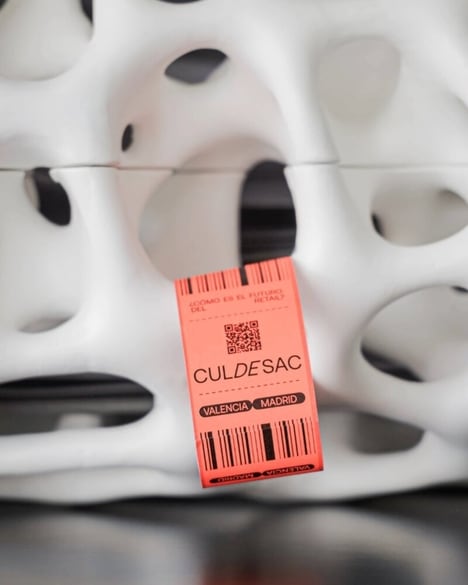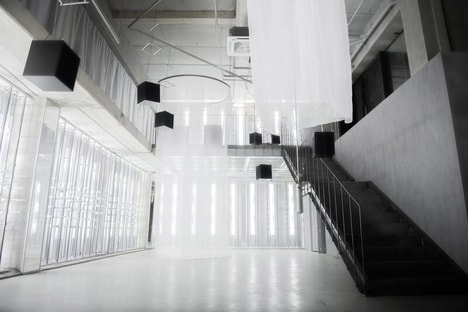

Aectual introduced 3D-printed ceilings and storefront systems for lululemon, featuring double-curved, sculptural panels designed to echo the brand’s logo and product lines. The installations were produced with a custom printing technique that creates seamless connections between panels, enabling continuous surfaces across store interiors.
The panels were fabricated from Aectual’s recycled consumer-waste material blend and engineered to meet fire-retardant and UV-stable specifications for interior use. The first completed sites included Milan and lululemon’s SoHo flagship in New York, with additional rollouts planned in Birmingham, Tokyo and other cities. The program falls under Aectual’s Circular Service, which reclaims and reprints components at end of use.
For shoppers, the 3D-printed systems deliver distinctive, brand-aligned spaces and promise repeatable, site-specific designs that reduce new material demand. The approach highlights how circular fabrication and bespoke 3D production can scale across global retail footprints while meeting local safety standards.
Image Credit: Aectual
Why This Trend Is Growing
- Circular 3D Fabrication
- A closed-loop production model using recycled consumer-waste feedstocks for large-scale 3D printing enables retail fit-outs that dramatically lower virgin material demand and lifecycle waste.
- Seamless Sculptural Interiors
- Double-curved, continuous-surface panels produced by advanced printing techniques create a new class of interior finishes that blur the line between architecture and branded product design.
- Repeatable Site-specific Design
- Configurable, parametric printing workflows make it possible to deploy consistent brand gestures globally while tailoring form and performance to local store geometries and safety codes.
Industries Being Reshaped
- Retail Store Design
- Bespoke 3D-printed systems offer retailers scalable, signature environments that can be refreshed or reclaimed to support evolving brand strategies and sustainability goals.
- Commercial Architecture
- Engineered printed elements present opportunities for architects to integrate structural, acoustic, and aesthetic functions into single prefabricated components with reduced installation complexity.
- Sustainable Materials Manufacturing
- Recycled-material blends formulated for fire-retardant and UV-stable performance open pathways for manufacturers to produce high-spec interior products from circular feedstocks at commercial scale.