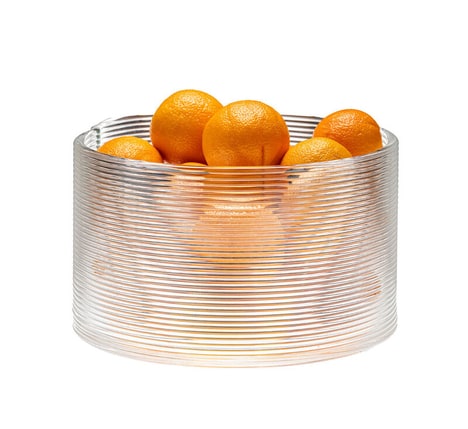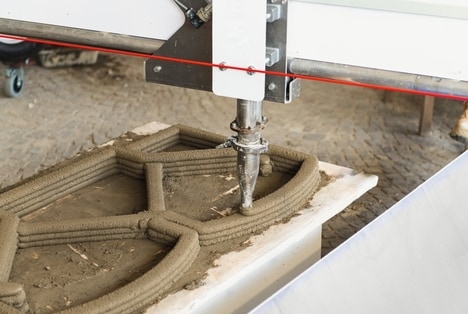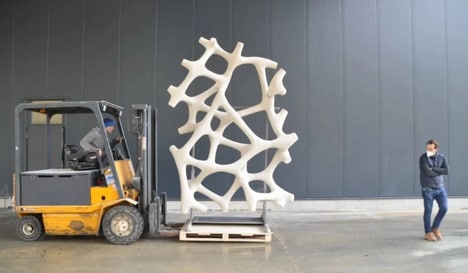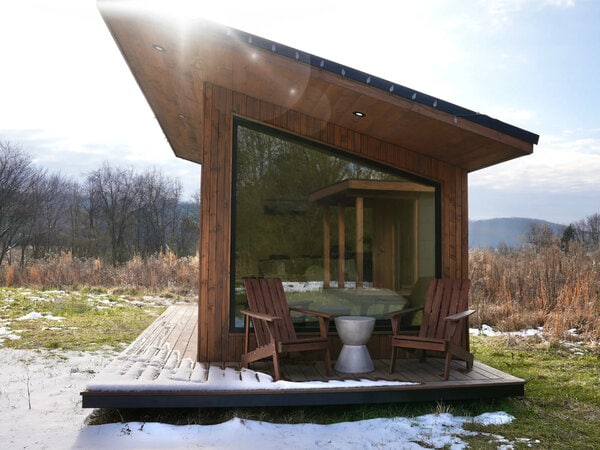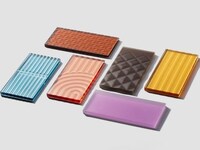
3D-printed recycled construction materials are reshaping sustainable manufacturing by transforming waste into scalable architectural products through additive fabrication technologies. Vitriform3D and Oak Ridge National Laboratory developed a process that converts discarded glass bottles into 3D-printed tiles, wall cladding, and structural building materials using binder jetting systems. The process reduces landfill waste while creating customizable surfaces that can be produced locally with lower material loss compared to traditional manufacturing methods. By combining recycled inputs with advanced fabrication systems, the technology supports more efficient construction workflows and expanded design flexibility for architectural applications.
The development reflects growing demand for circular manufacturing systems across the construction industry as companies seek sustainable alternatives to resource-intensive materials. Additive manufacturing may increasingly allow businesses to regionalize production, reduce transportation costs, and create tailored building components on demand. Recycled fabrication systems could also support stricter sustainability goals while opening new opportunities in green construction and material recovery industries.
Image Credit: Amy Smotherman Burgess/ORNL, U.S. Dept. of Energy
What Makes This Trend Stand Out
- Circular Additive Manufacturing
- A system that integrates waste feedstocks into additive production pipelines could displace virgin-material supply chains and enable closed-loop material economies.
- Localized Sustainable Fabrication
- Regionalized 3D printing hubs using recycled inputs have the potential to reduce transportation reliance and reshape procurement models for building components.
- Customizable Recycled Building Components
- On-demand fabrication of tailored tiles and cladding from reclaimed glass may allow differentiated product offerings that undercut mass-produced standardized materials.
Sectors Adopting This
- Construction Materials Manufacturing
- Manufacturers incorporating binder-jetting of recycled glass could upend traditional concrete and ceramic suppliers by offering lighter, customizable, and lower-waste alternatives.
- Waste Management and Recycling
- Recycling firms that provide processed glass feedstock for additive fabrication might transform from commodity collectors into strategic material suppliers within construction value chains.
- Architectural Design and Prefab
- Design studios and prefabrication companies leveraging recyclable 3D-printed elements could alter building aesthetics and assembly processes through bespoke, modular components.