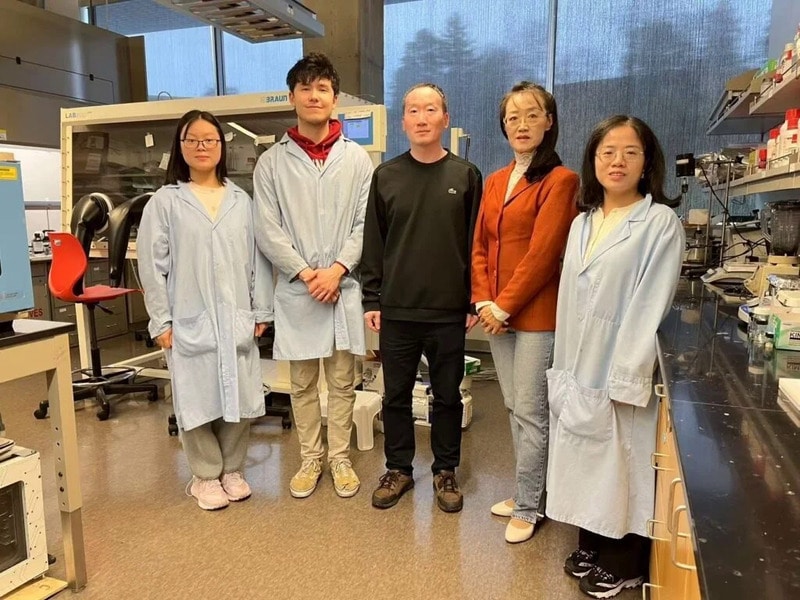
Researchers at Washington State University have developed a breakthrough in lithium–sulfur battery design using corn protein to improve performance and battery sustainability. By applying a zein-based coating -- a biodegradable substance derived from corn -- the team addressed key limitations of lithium–sulfur batteries, namely chemical instability and short lifespan.
The coated batteries demonstrated a significant improvement, retaining energy capacity over 500 charge-discharge cycles. Lithium–sulfur batteries are already lighter, cheaper, and use more abundant materials than conventional lithium-ion types, but they’ve struggled with scalability due to leakage and degradation. This innovation may offer a path forward.
The use of a plant-based, naturally sourced additive adds further environmental benefits, potentially reducing battery toxicity and increasing recyclability. As energy storage becomes critical to decarbonizing transport and power grids, such sustainable battery designs could play a key role in building greener infrastructure at scale.
Image Credit: Washington State University
Why This Trend Is Growing
- Bio-based Battery Enhancements
- Utilizing corn protein as a coating material for batteries addresses degradation issues, paving the way for eco-friendly energy storage solutions.
- Sustainable Energy Storage
- The integration of biodegradable substances like zein in battery design improves long-term performance and aligns with environmental sustainability goals.
- Advanced Lithium-sulfur Technologies
- The innovation in extending the lifespan of lithium–sulfur batteries marks a shift towards more efficient and cost-effective alternatives to lithium-ion batteries.
Industries Being Reshaped
- Renewable Energy
- The development of sustainable and longer-lasting batteries could significantly impact the renewable energy sector by enhancing storage capabilities.
- Automotive Industry
- Eco-friendly, high-efficiency battery technologies offer promising advancements for electric vehicles, supporting the transition to greener transportation.
- Recycling and Waste Management
- Plantsourced battery components promote increased recyclability, fostering growth in the recycling and waste management industry with reduced battery toxicity.