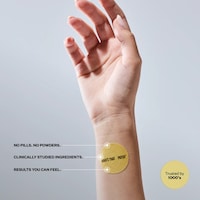


Oxford University professor Charles Spence, who specializes in sensory perception, collaborated with plant-based food company Strong Roots to create a "meat patch" that's specifically designed to curb bacon cravings. The patch is infused with the scent of bacon so that when a person scratches it, the patch releases an aroma to satisfy their appetite—as studies show that scent alone can reduce food cravings.
The bacon-scented patch was created for meat lovers who want to cut down on their consumption of meat. As many people pledged themselves to a month of vegan eating to kick off 2020, Strong Roots is hoping to help people during the final stretch by taking a Veganuary Response Vehicle on a multi-city tour to share helpful products and these craving-fighting patches.
Image Credit: Strong Roots
Key Themes Behind This Trend
- Craving Control Solutions
- The creation of bacon-scented patches demonstrates a trend towards innovative solutions for controlling cravings.
- Sensory Perception in Product Design
- Collaborations between sensory perception experts and food companies indicate a trend towards leveraging scents and other sensory factors to enhance product effectiveness and appeal.
- Veganuary Support Products
- The introduction of craving-fighting patches in the Veganuary Response Vehicle tour highlights a trend in offering support and options for individuals participating in vegan challenges or lifestyle.
Where This Applies
- Food and Beverage
- The food and beverage industry can explore the use of scent-based products or alternatives to cater to diverse consumer cravings and dietary preferences.
- Wellness and Health
- The wellness industry can embrace the development of innovative solutions, like craving-curbing patches, to support individuals in managing their dietary habits and fostering a healthier lifestyle.
- Product Design and Packaging
- The product design and packaging industry can incorporate sensory perception expertise to create more engaging and effective products that appeal to consumers' sensory needs and preferences.