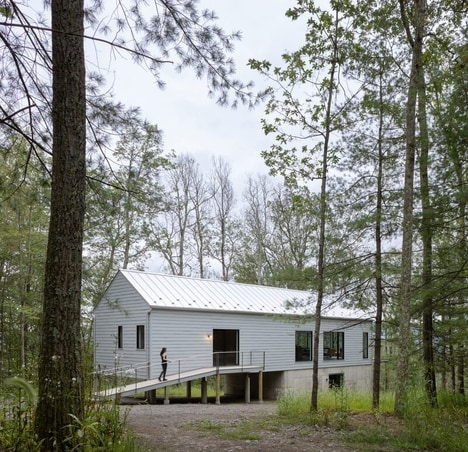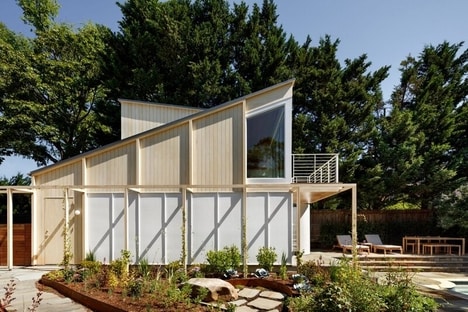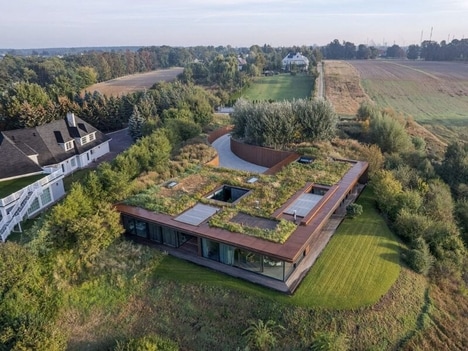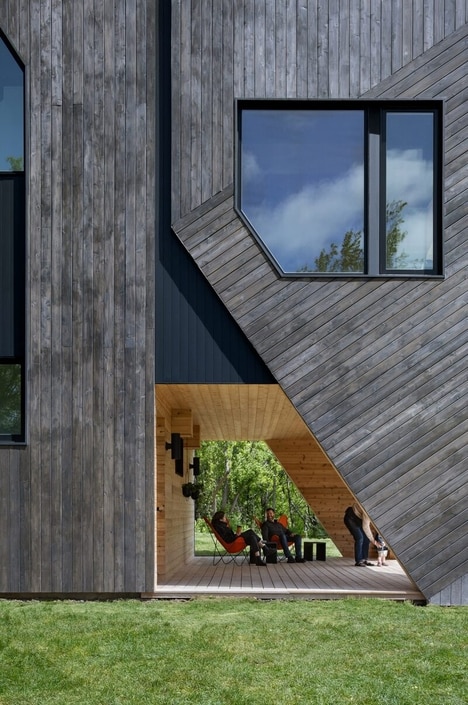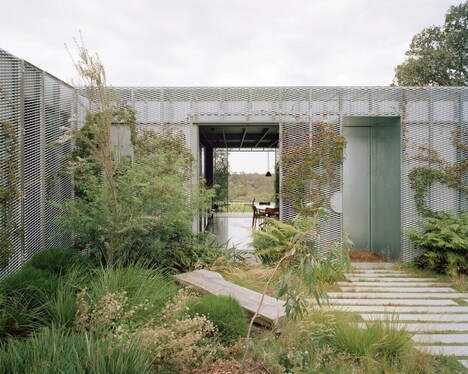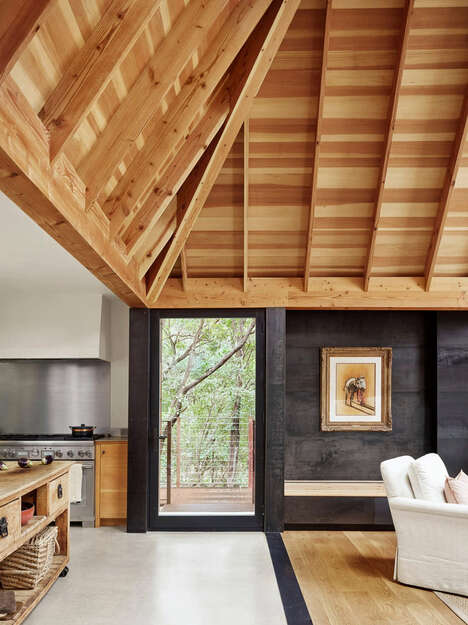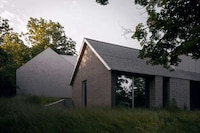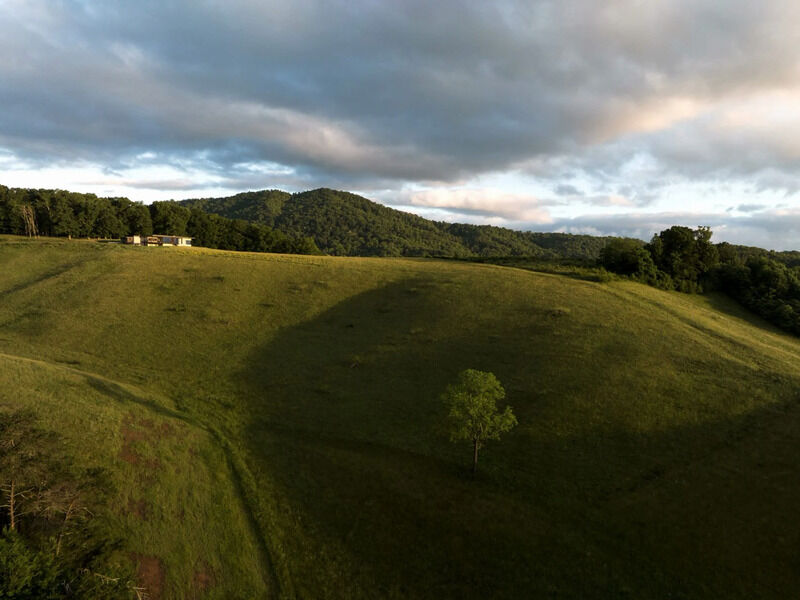
American design studio Harding Huebner Architects designs the Meadow House, which is an energy-efficient home that is defined by the 'agrarian barns and humble structures.' It is home to a retired couple from Texas who enjoy the open hillside landscape that surrounds the space.
The home has been farmed for generations and was due for a slew of new upgrades, having a barn that was seemingly beyond repair. The team came to create a plan to retain the home's history and add updates for modern living. Harding Huebner Architects added new structures to create a home that would protect residents from the strong winds often around the knoll. It notes that "From a distance the home can often disappear into the shadows of the trees just behind it, deferring to the landscape both for viewing and being viewed."
Image Credit: Keith Isaacs
What's Driving This Trend
- Energy-efficient Home Design
- Opportunities exist for architects and designers to create energy-efficient homes that incorporate sustainable and eco-friendly features.
- Historic Restoration and Modern Upgrades
- There is a trend towards preserving the history of existing structures while incorporating modern upgrades to enhance functionality and livability.
- Integration of Architecture with Natural Landscape
- Architects are increasingly designing homes that blend seamlessly with the natural environment, allowing residents to fully embrace and appreciate their surroundings.
Who This Affects Most
- Architecture
- Architects can explore innovative approaches to energy-efficient design and historic restoration, integrating new structures while preserving the character of a property.
- Home Construction
- Builders can leverage the trend towards energy-efficient and sustainable home design to offer eco-friendly and modern upgrades for homeowners.
- Landscape Design
- Landscape designers have the opportunity to create harmonious spaces that seamlessly integrate with architectural designs and highlight the natural beauty of the surroundings.