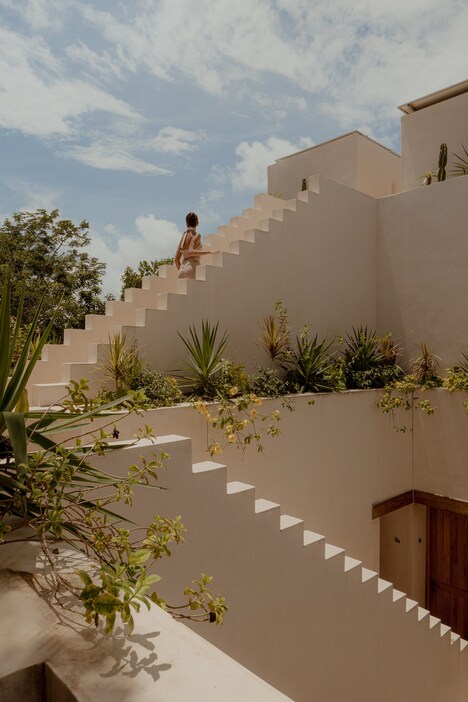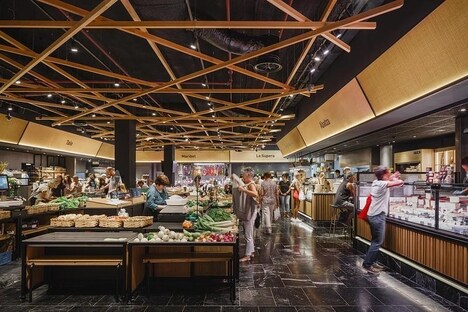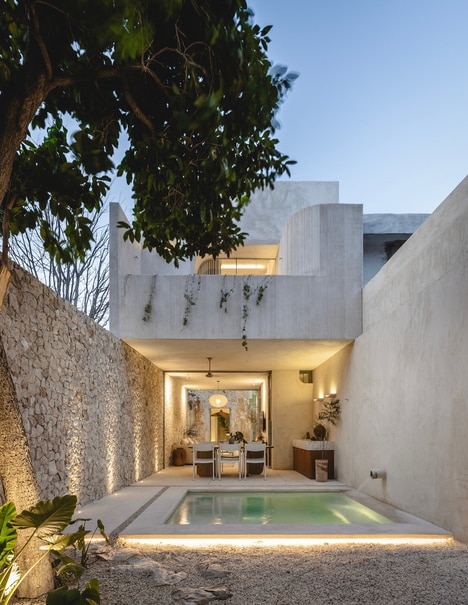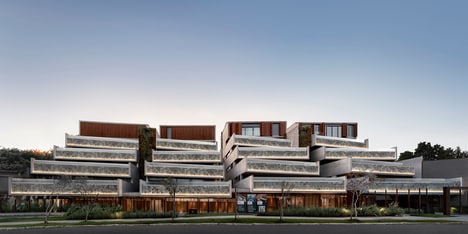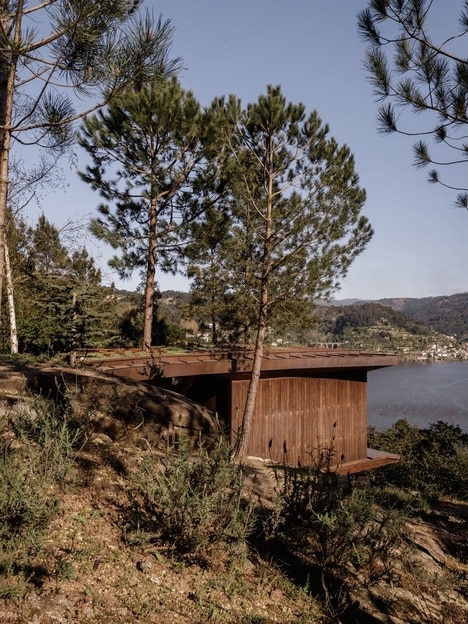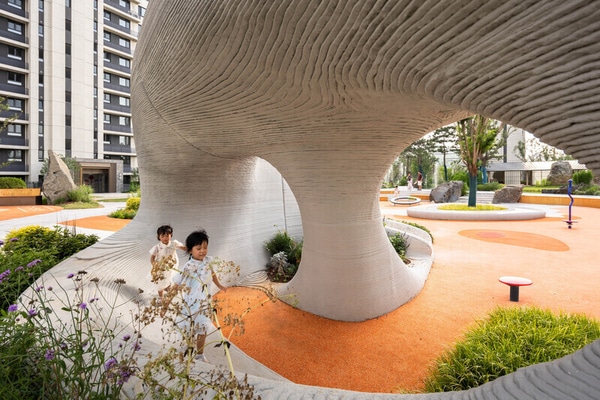
Martín Martín arquitectos, a Granada-based practice with over three decades of experience, has presented a selection of four projects — Loé Emotional, House for a Writer, Social Housing, and the Comares Cultural Center — that collectively articulate a design philosophy where architecture emerges not from a predetermined formal language but from a deep and patient listening to the unique conditions of each place. This approach, which has evolved from interventions in historic cities to projects embedded in natural landscapes and broader territories, treats context as the very material from which the architecture is crafted.
Topography, existing vegetation, local memory, climate, light, and the rhythms of everyday life participate in Martín Martín arquitectos' design process with equal weight as structure, construction, and programmatic requirements. The practice's long-standing commitment to architectural heritage and the study of the historic city of Granada established this careful reading of place as the foundation of every project.
Image Credit: Javier Callejas
Why This Trend Is Growing
- Context-led Design
- Architectural practices are finding room for differentiation by translating local climate, memory, terrain, and daily rituals into site-specific buildings that resist standardized design templates.
- Heritage-integrated Architecture
- Historic urban knowledge is becoming a platform for contemporary projects that blend preservation values with new spatial, cultural, and community functions.
- Landscape-responsive Living
- Residential and civic spaces shaped by vegetation, light, and topography point to new models for low-impact development rooted in environmental specificity.
Industries Being Reshaped
- Architecture
- Firms can distinguish their work through deeply contextual design processes that position place-based research as a core creative and commercial asset.
- Real Estate Development
- Developers are uncovering value in projects that use local identity, terrain, and cultural memory to create more meaningful and resilient built environments.
- Urban Planning
- Planning strategies grounded in historic patterns and everyday community rhythms support more adaptive frameworks for cities balancing growth with cultural continuity.