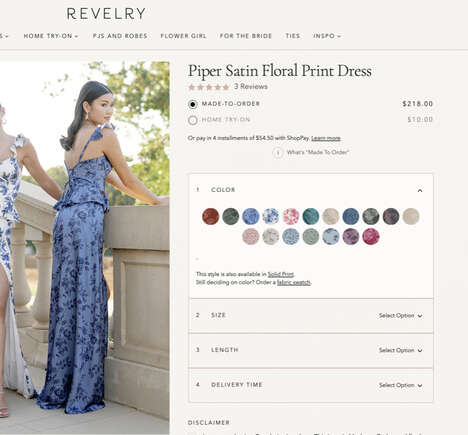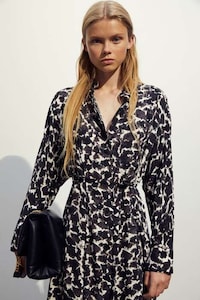
Dress label KITRI is disrupting the traditional e-commerce clothing experience by introducing made-to-order dresses. Already, some pieces have hundreds of eager consumers on waiting lists and the solution helps to bring awareness to the fact that the fashion industry produces a lot of waste. The label's new summer collection is being introduced with this new business model. As the KITRI team describes, "Once a style has sold out, we will open the new pre-order functionality, which allows us to only produce to demand, eliminating waste."
Beyond offering a sustainable approach to style by carefully managing supply and demand, KITRI uses innovative fabrics and materials like orange fibers to replicate silk, pineapple leaves as a leather alternative and hemp to mimic the look and feel of linen.
Image Credit: KITRI
What's Driving This Trend
- Made-to-order Fashion
- KITRI's made-to-order dresses disrupt the traditional e-commerce clothing experience, providing a sustainable solution to avoid unnecessary waste.
- Supply and Demand Management
- KITRI's approach to carefully managing supply and demand in the fashion industry highlights a disruptive innovation opportunity to reduce waste and improve sustainability.
- Innovative Sustainable Materials
- KITRI's use of innovative fabrics like orange fibers, pineapple leaves, and hemp creates an opportunity for disruptive innovation in the materials sector by providing alternatives to traditional fabrics.
Who This Affects Most
- Fashion and Apparel
- KITRI's made-to-order business model and focus on sustainability present disruptive innovation opportunities in the fashion and apparel industry.
- E-commerce
- KITRI's disruptive approach to e-commerce by offering made-to-order dresses showcases an innovation opportunity for the e-commerce industry to embrace sustainability and waste reduction.
- Sustainable Materials
- KITRI's use of innovative fabrics and materials in their clothing line opens up disruptive innovation possibilities within the sustainable materials industry.