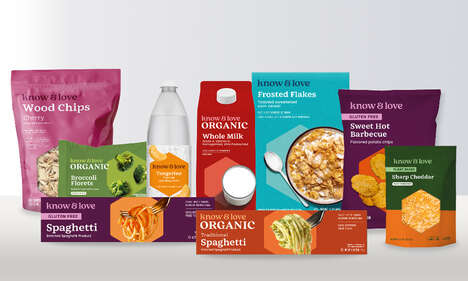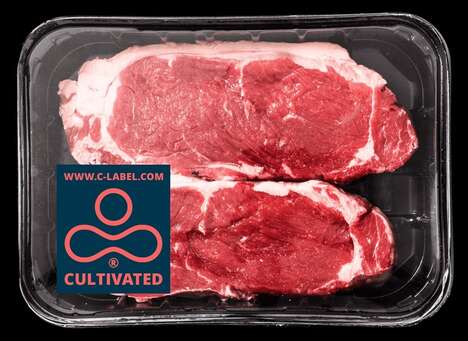


When shopping in grocery stores, consumers have come to look out for labels like gluten-free, cruelty-free, organic and free range, yet there are few local food labels that call attention to the fact that a food item is locally produced. 'Localize' is a new shelf-labeling system that aims to change this.
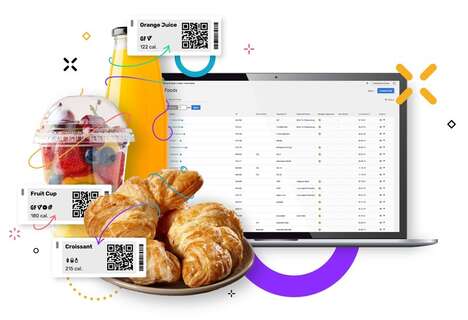
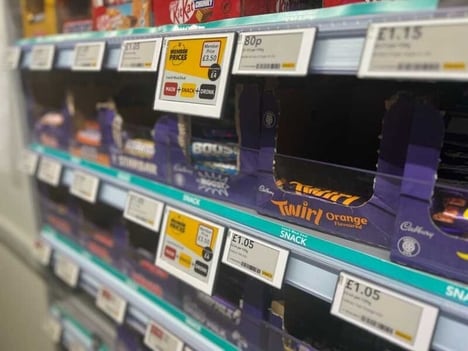
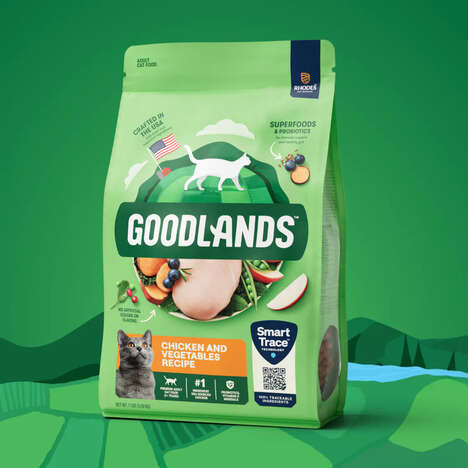
Since there can be some confusion as to what "local" truly means, Localize takes it upon itself to determine a score on how local a product is. This process involves evaluating where ingredients were grown, processed, sustainability involved and whether or not profits remain in the local economy or get filtered back into a parent company. This data is then displayed on grocery store shelf labels, which feature a QR code that can be scanned to offer more information.
Key Themes Behind This Trend
- Local Food Labeling
- Labeling system that evaluates how local a product is and displays this information on grocery store shelves using QR codes.
- Sustainable Sourcing
- Growing trend in food industry that evaluates where ingredients were grown or processed in terms of environmental impact and sustainability.
- Transparent Consumerism
- Growing trend where consumers demand more information about the products and services they purchase, including supply chain and environmental impact.
Where This Applies
- Grocery Retail
- Opportunity to differentiate from competitors by implementing a local labeling system that informs customers of how locally sourced their products are.
- Food Production
- Opportunity to improve supply chain transparency and sustainability efforts to meet growing consumer demand for locally sourced and environmentally friendly products.
- Agriculture
- Opportunity to market products with a focus on sustainability and promote transparent sourcing practices to meet growing demand for environmentally friendly products.