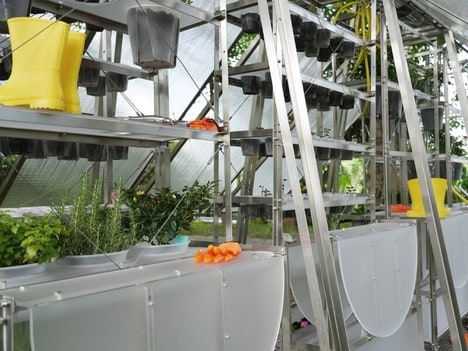
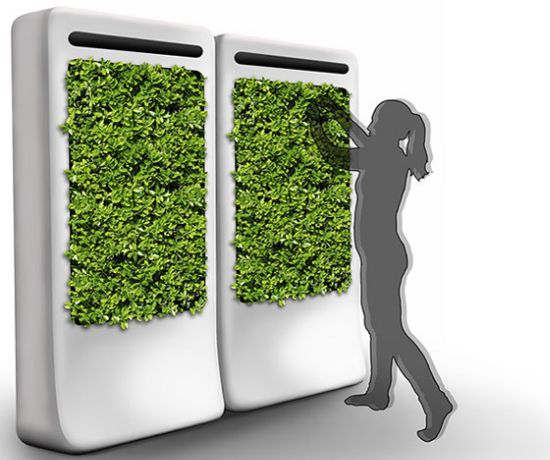
The living walls and roof of The Eathouse garden house are good enough to eat and its offerings are much healthier than a gingerbread house. Eethuis, pronounced "Eathouse" by architects De Stuurlui stedenbouw is constructed of metal pipes and soil-stuffed crates which are planted up with vegetables, herbs and edible flowers.
A combination of garden shed and a garden itself, the Eathouse is a fantastic way to grow a vast selection of healthy food in a relatively small space, harvesting and replanting as you enjoy your own home-grown produce.
Why This Trend Is Growing
- Edible Living Walls
- Opportunity for companies to create edible living walls for urban gardening and sustainable food production.
- Garden-shed Farming
- Disruptive innovation opportunity to create a business around garden-shed farming, providing individuals with a simple and sustainable food source.
- Vertical Farming
- The concept of vertical farming can be applied to edible garden sheds, using indoor farming technology to grow large amounts of food in small areas.
Industries Being Reshaped
- Outdoor Living
- The outdoor living industry can benefit from incorporating edible garden sheds into their product offerings to provide customers with sustainable food sources.
- Home Agriculture
- The home agriculture industry can utilize the concept of garden-shed farming to empower consumers to grow their own food in a simple and accessible manner.
- Green Building
- Green building companies can incorporate the idea of edible living walls into their designs, contributing to a sustainable food source and a reduction in the carbon footprint of buildings.