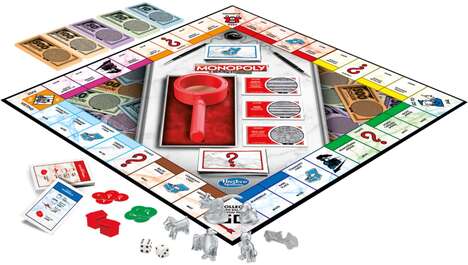
Dozens of variations of lie detector games have been introduced to catch people in the act of lying, some of which take the form of family-friendly card games and others that deliver shocks to players that are suspected of being untruthful. This year, Hasbro exhibited its own Lie Detector Game at the New York Toy Fair, introducing a next-gen twist on this familiar concept with voice analysis.
The Lie Detector Game was created to pick up on subtle clues in a person's voice when they answer yes or no questions. Answering truthfully awards a player with a point but lies forfeit points to other players. In all, there are 64 cards with over 250 questions, allowing for plenty of new discoveries to be made about fellow players each time the game is played.
Why This Trend Is Growing
- Voice Analysis in Games
- The incorporation of voice analysis technology in games opens up opportunities for more immersive and interactive gameplay experiences.
- Gamification of Dishonesty Detection
- The trend of creating games that encourage players to detect dishonesty taps into the growing interest in enhancing social skills and critical thinking through gamification.
- Advancements in Lie Detector Technology
- The introduction of next-gen lie detector games signals the ongoing development of more sophisticated technologies for detecting deception.
Industries Being Reshaped
- Gaming
- The gaming industry can explore the potential of incorporating voice analysis technology to create innovative and engaging gameplay experiences.
- Edutainment
- The edutainment industry can utilize gamified dishonesty detection games as a way to enhance social skills and critical thinking in an entertaining manner.
- Security and Surveillance
- The security and surveillance industry can explore the advancements in lie detector technology to improve deception detection methods in various contexts.