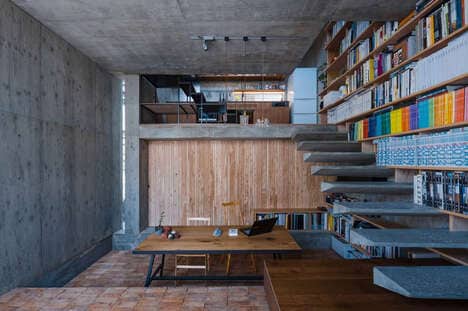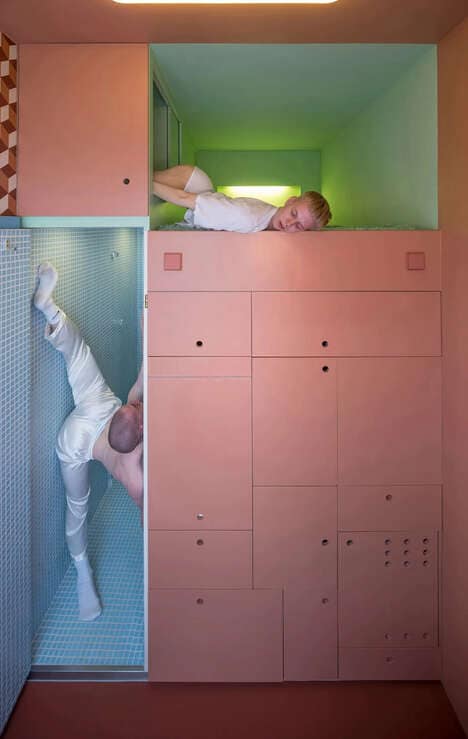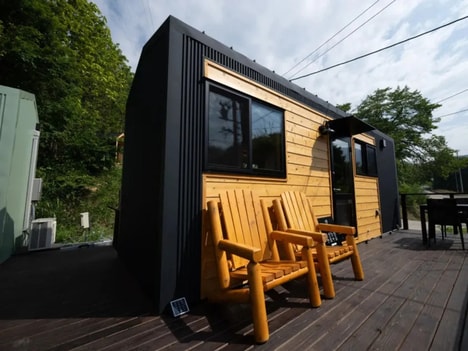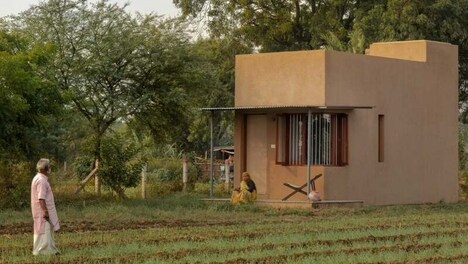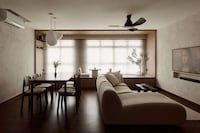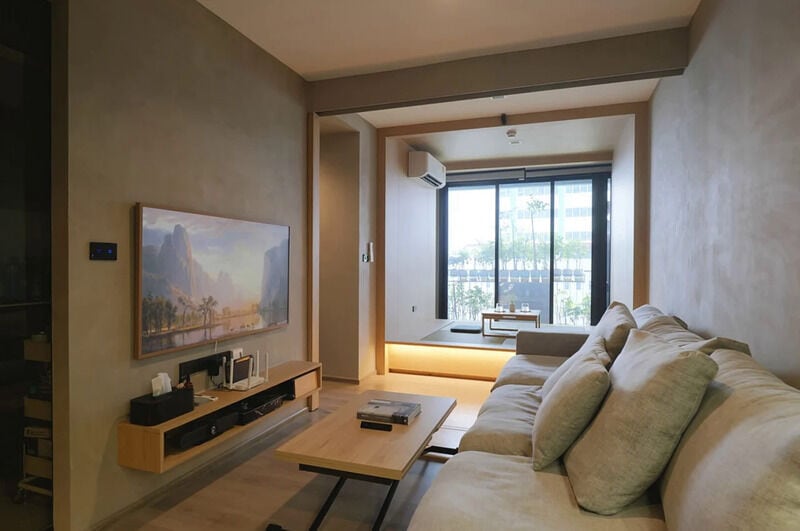
Local designer Mae Prachasilcha from La Tarta Piccola designs a micro-apartment in the city of Bangkok that embodies a tranquil ambiance. It is meant to be a calm place in a bustling city and draws inspiration from elements of a Japanese inn. The living space is small and sustainable with interior details that are mindfully chosen to maximize the 355-square-foto space.
The residence is designed for her brother and sister-in-law, creating elements that refer to traditional Japanese architectural components. It is seen with shoji paper screen doors and modular tatami mats. The designer states that “The design idea was to optimize the use of limited space by overlapping functional spaces. The design was inspired by the calm and peaceful vibes of Japanese ryokans, or hot spring inns. We wanted to use Japanese shoji doors to give the space a softer look and to also allow for flexibility. In doing so, we were able to create two multifunctional areas that expand the living area from 7 to 17 square meters (75 to 183 square feet)."
Image Credit: La Tarta Piccola
Key Themes Behind This Trend
- Micro-apartment Design
- The rise of micro-apartment designs presents opportunities for compact living and sustainable housing solutions.
- Incorporating Japanese Influences
- The incorporation of traditional Japanese architectural elements in interior design offers a unique and calming living experience.
- Space Optimization
- The trend of overlapping functional spaces allows for the creation of multifunctional areas in small living spaces.
Where This Applies
- Real Estate
- The real estate industry can explore the potential of micro-apartment designs to meet the demand for affordable housing in urban areas.
- Interior Design
- Interior designers can capitalize on the trend of incorporating Japanese influences to create unique and serene living spaces.
- Architecture
- Architects can specialize in space optimization techniques to provide innovative solutions for maximizing limited living spaces.