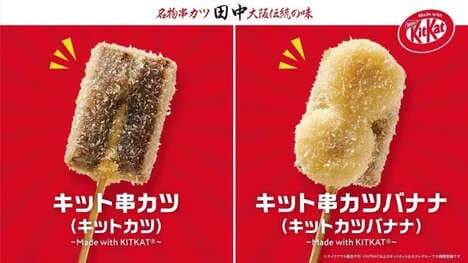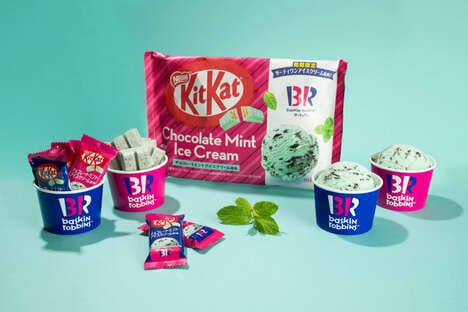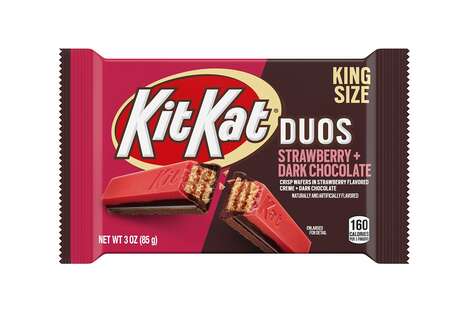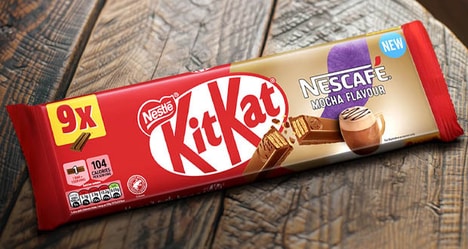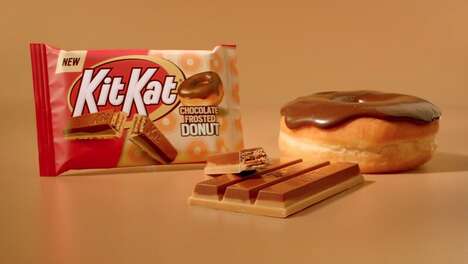
With a boozy Japanese influence, the latest KitKat candy bar features a sake flavor. This unique chocolate candy combines two indulgences into one simple package.
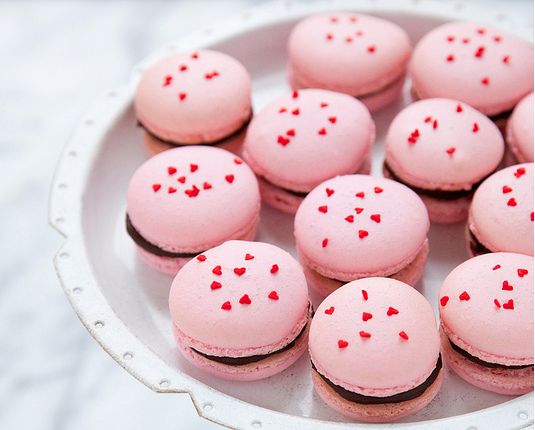
These booze-infused sweet treats have been unveiled just in time for Valentine's Day. In keeping with the theme, the packaging is reflective of the holiday and features a soft pink exterior. The candy bar inside is made of white chocolate and contains 0.8 percent alcohol content.
This KitKat candy bar is perfect for adults who are seeking to satisfy their sweet tooth while indulging in a serving of alcohol. These creative confections are currently only available in Japan along with other creative flavors such as red bean and green tea.
What's Driving This Trend
- Booze-infused Candies
- The trend of incorporating alcohol flavors into sweets presents an opportunity for dessert and confectionery companies to create unique and indulgent treats.
- Kitkat Innovation
- The introduction of the sake-flavored KitKat candy bar highlights the potential for popular brands to experiment with unique and unexpected flavor combinations.
- Ethnic-inspired Flavors
- The trend of introducing regional and ethnic flavors, like red bean and green tea, into candy bars opens up opportunities for multinational snack companies to cater to diverse consumer palates.
Who This Affects Most
- Dessert and Confectionery
- The rise of booze-infused candies provides dessert and confectionery companies with a chance to tap into the growing market of adult-oriented sweet treats.
- Food and Beverage
- The innovative flavor experimentation of KitKat and other brands shows the potential for disruptively introducing unique flavors and beverages into the food and beverage industry.
- Snack and Convenience
- The incorporation of ethnic flavors into popular candy bars creates opportunities for snack and convenience stores to offer diverse and culturally-inspired treats to their customers.