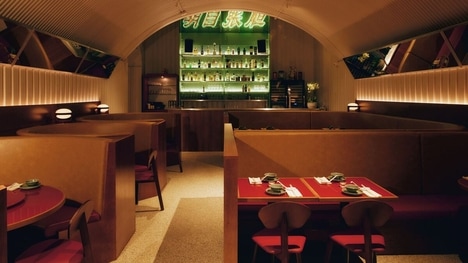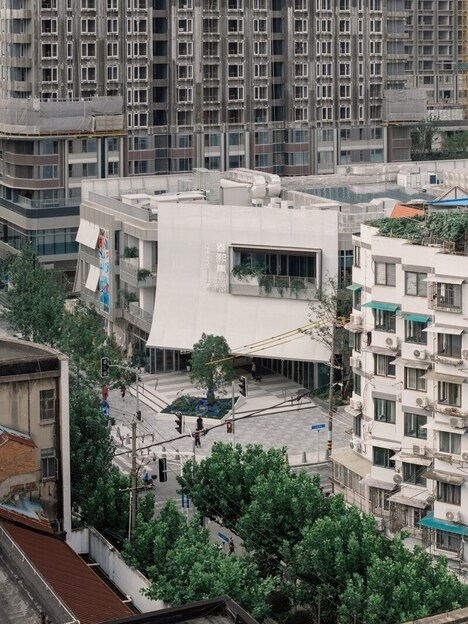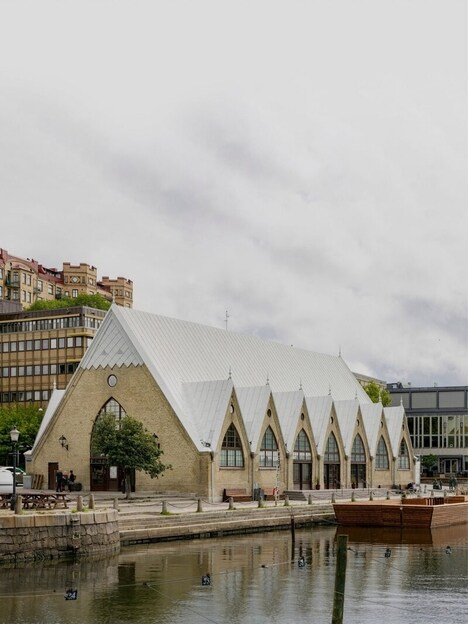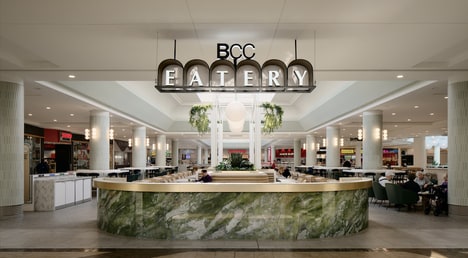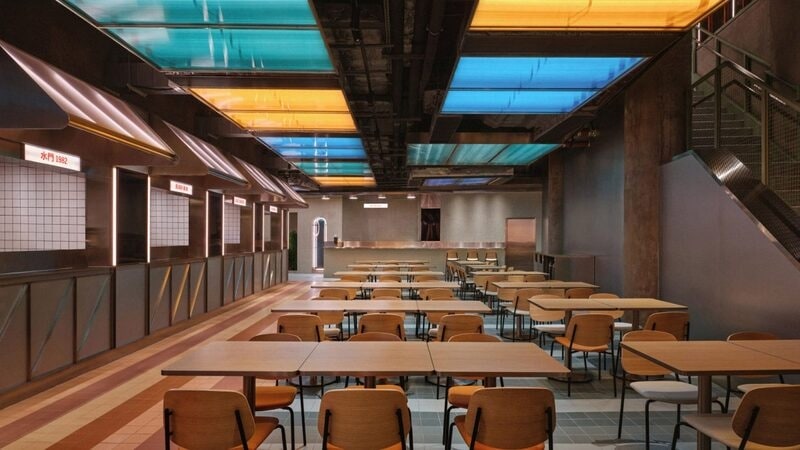
The Kam Pek Market revitalizes Macau’s Kam Pek Community Centre into a vibrant three-storey food hall on San Ma Lo. SJM Resorts restored the heritage façade and reimagined the interior to host eight local vendors—offering Chinese, Portuguese, Japanese, Thai, and Taiwanese cuisines—across 7,000 ft² and around 100 seats on the ground floor.
Operating daily from 10 am to 10 pm, the market will expand in 2025 with eight additional outlets and nearly 130 seats on the first floor. Kam Pek Market uses a revenue-sharing leasing model and offers SMEs logistical, operational, and marketing support, reflecting SJM’s mission to “large supports small” and stimulate neighborhood growth. This blend of preservation, culinary diversity, and cultural entrepreneurship positions the venue as a new social anchor for Macau’s historic district.
Image Credit: Jonathan Leijonhufvud
Why This Trend Is Growing
- Heritage-preserving Dining Spaces
- Transforming historical sites into modern food halls combines preservation with commercial innovation, creating vibrant cultural and economic hubs.
- Culinary Diversity Integration
- Incorporating multiple cuisines within a single venue fosters cultural exchange and broadens the culinary landscape, attracting diverse customer bases.
- Revenue-sharing Food Halls
- Adopting a revenue-sharing model in food halls offers sustainability for small vendors while ensuring shared economic success across the board.
Industries Being Reshaped
- Cultural Heritage Tourism
- Revitalizing historic locations as dining destinations enhances cultural tourism by blending attractions with authentic local experiences.
- Local Culinary Entrepreneurship
- Providing logistical and marketing support to small food vendors in high-traffic areas boosts local entrepreneurship and invigorates small businesses.
- Shared Economy Models
- Implementation of shared revenue models provides a collaborative economic framework that redistributes financial risks and benefits among stakeholders.