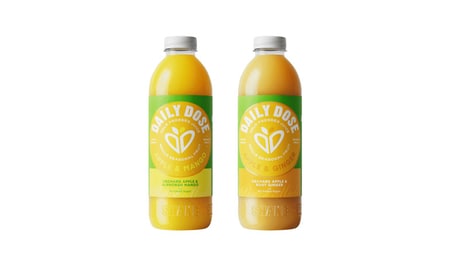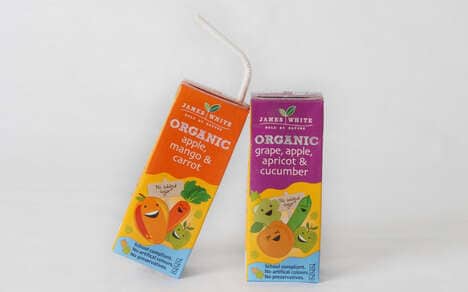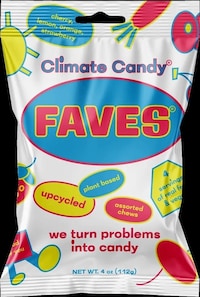

The new Cotchel juice line that has been unveiled by the brand makes use of the ugly, oversized or undersized fruits that are grown on its farm that aren't suitable for sale. Diverting tonnes of fruit from being left as waste, the juices reframe what's possible using unwanted ingredients and shine a light on the food waste problem.
The new range of juices includes four flavor options including 'Topaz & Evelina,' 'Opal,' 'Braeburn' and 'Conference, Topaz & Evelina.' The line is achieved using apple and pear juices for a product that is both delicious and more conscious about the manufacturing process.
Speaking on the new Cotchel juice line, Founder of the brand, Pete Thompson, said, "Instead of letting the unwanted fruit from our farm be wasted or processed off the farm, we decided to turn it into something delicious. Cotchel is all about creating a great-tasting fruit juice using fruit we can’t sell and taking small steps towards reducing food waste."
What Makes This Trend Stand Out
- Upcycled Food Products
- The Cotchel juice line demonstrates the trend of using unwanted fruits to create innovative and delicious food and beverage products.
- Sustainable Manufacturing
- By using ugly, oversized, or undersized fruits, Cotchel juice showcases the trend of incorporating sustainable manufacturing practices into the food and beverage industry.
- Conscious Consumerism
- The Cotchel juice line appeals to the trend of conscious consumerism by offering a product that addresses the issue of food waste and promotes a more sustainable consumption model.
Sectors Adopting This
- Food and Beverage
- The food and beverage industry can explore opportunities to create upcycled products, such as juices, using imperfect or unsellable fruits.
- Agriculture
- The agriculture industry can embrace the trend of sustainable farming by finding innovative ways to utilize unwanted fruits, reducing waste and optimizing resources.
- Environmental Sustainability
- The Cotchel juice line demonstrates how the food industry can contribute to environmental sustainability by incorporating practices that reduce waste and promote a circular economy.