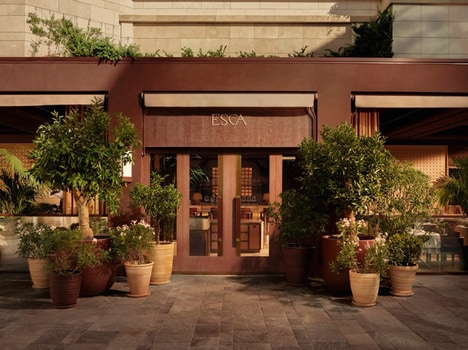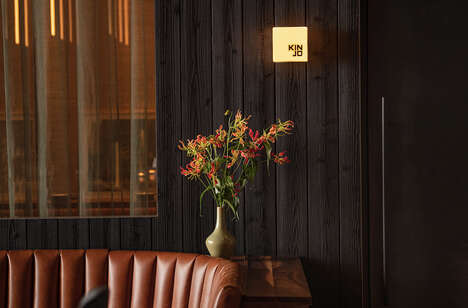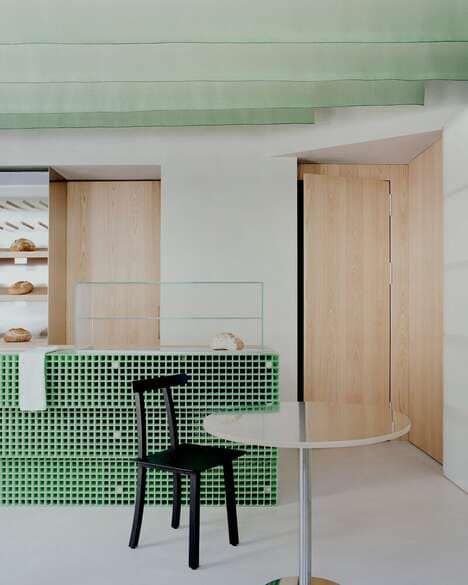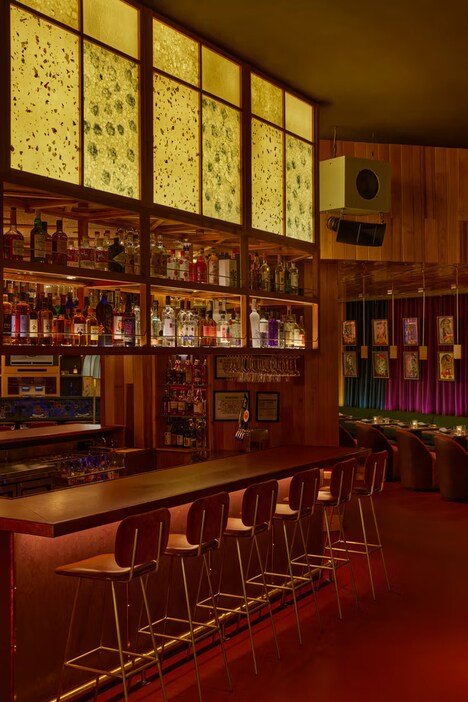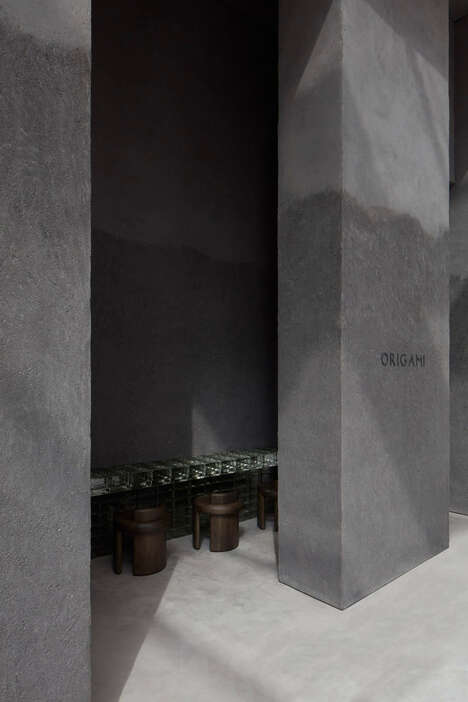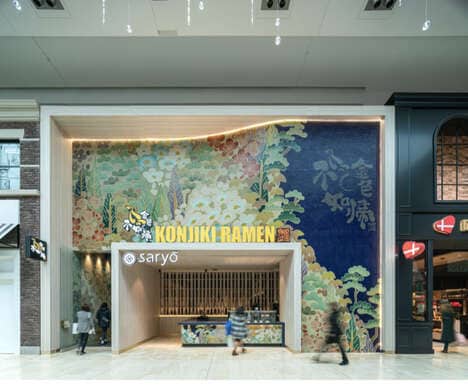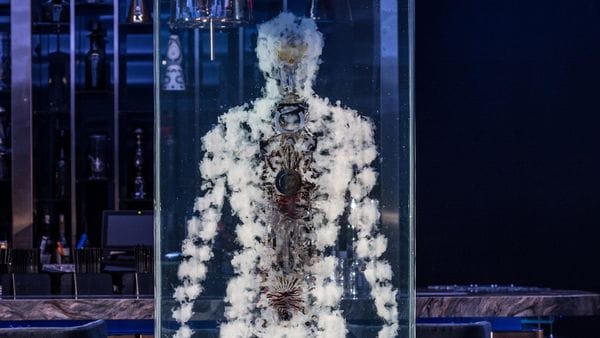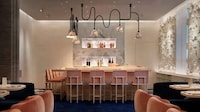
For the aesthetic of a new Japanese-Mediterranean fusion restaurant in Valencia, Spain, Nonna Design Projects decided to embrace the dualistic cultural value of the establishment and translate it more concretely through the interior.
The result is a modern and quaint atmosphere that invites guests for a nice casual dinner. Dubbed 'Kamon,' the business highlights its Japanese roots through subtle architectural references, as well as a few "traditional organic details, like flora that is typically associated with [Eastern traditions]." Of course, the composition of the Japanese-Mediterranean fusion restaurant also establishes the juxtaposition with Nordic cultures through the use of "unfinished wood elements and lighting techniques for added warmth and texture." In addition, a subtle and recurring grid characteristic seems to bring uniformity to the Spanish restaurant and pops of color add a playful aura.
Photo Credits: David Zarzoso
What's Driving This Trend
- Japanese-mediterranean Fusion Cuisine
- Opportunity for chefs to experiment with blending the flavors and techniques of Japanese and Mediterranean cuisines to create unique dishes.
- Dualistic Cultural Design
- Chance for interior designers to create spaces that visually embody the fusion of two distinct cultures, like Japanese and Mediterranean.
- Playful Atmosphere
- Potential for restaurateurs to create a lively and vibrant ambiance through the use of pops of color and playful design elements.
Who This Affects Most
- Restaurant and Food Service
- Restaurants can tap into the demand for innovative dining experiences by offering Japanese-Mediterranean fusion cuisine.
- Interior Design
- Interior design firms specializing in restaurant design can cater to the growing market of fusion restaurants by creating unique dualistic cultural spaces.
- Architectural Lighting
- Opportunity for lighting companies to provide innovative techniques that can create warmth and texture in Japanese-Mediterranean fusion restaurant interiors.