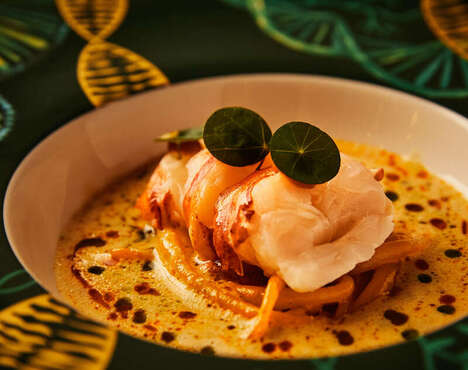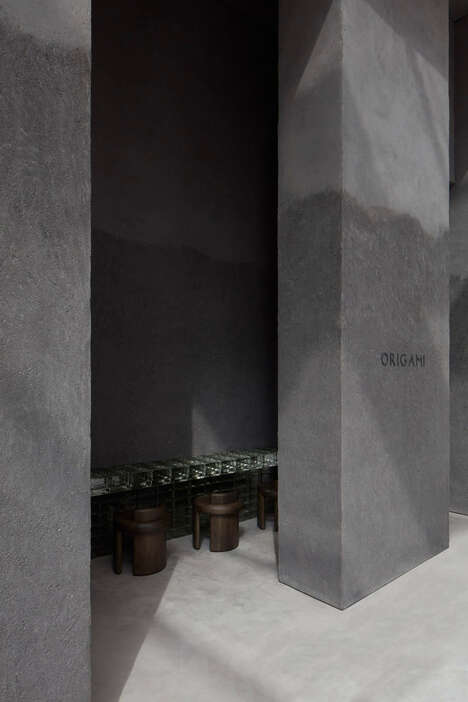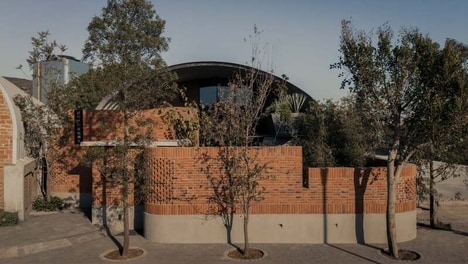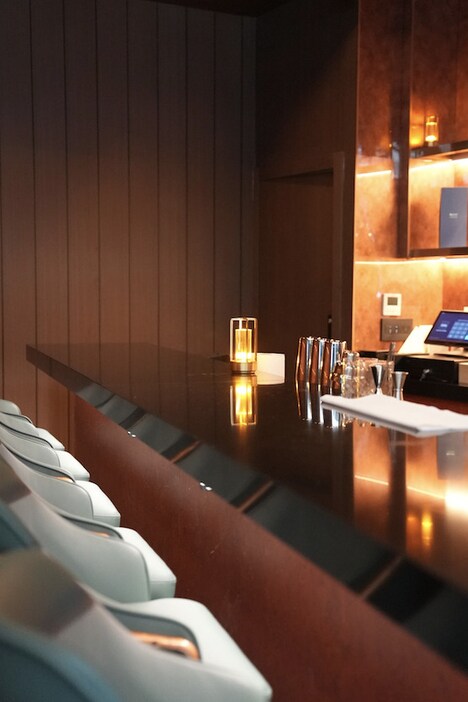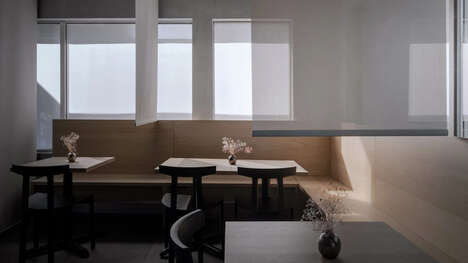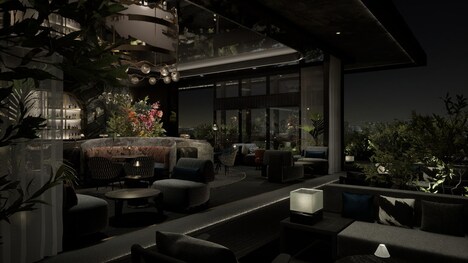
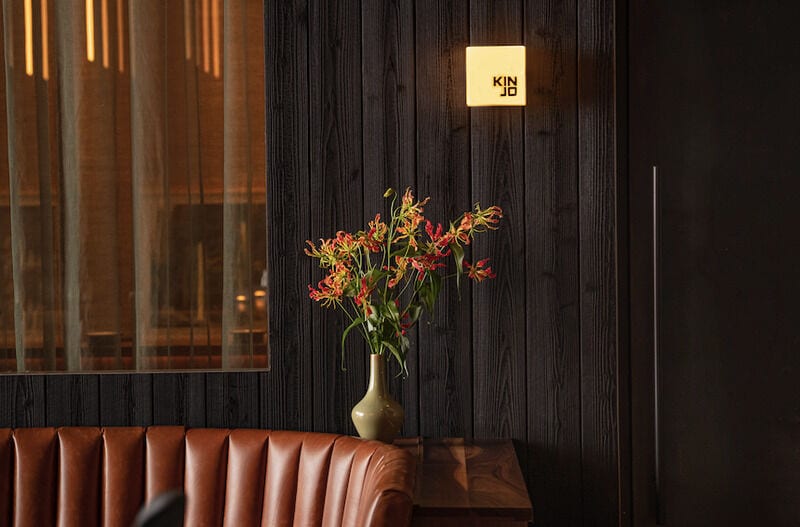
Kinjo, a new omakase restaurant located in Dumbo, New York, brings an exciting and elevated dining experience to the area with its unique fusion of traditional sushi and modern design elements. Situated in a converted torpedo factory beneath the Manhattan Bridge, the restaurant merges industrial charm with sophisticated culinary artistry. The intimate 13-seat sushi counter and accompanying cocktail lounge offer a curated, high-end dining experience. The architecture by KIMOY respects the building’s century-old heritage, maintaining wooden beams and exposed brick while incorporating a contemporary, stylish interior.
The design of Kinjo’s space is purposefully crafted to create a sense of connection between the food, the omakase restaurant’s vibrant neighborhood, and the historic setting. A notable feature is a proscenium window that offers diners a view into the open kitchen.
Image Credit: Kinjo
What Makes This Trend Stand Out
- Design-driven Culinary Spaces
- Blending architecture with gastronomy presents opportunities for creating immersive dining experiences that celebrate cultural and historical contexts.
- Heritage Preservation Dining
- Restaurants are increasingly integrating heritage elements into modern design, allowing patrons to experience history through both ambiance and cuisine.
- Micro Luxury Experiences
- The rise of intimate dining settings such as small sushi counters offers personalized and exclusive experiences that appeal to luxury-seeking consumers.
Sectors Adopting This
- Hospitality and Dining
- The fusion of sophisticated architecture and high-end culinary offerings is reshaping the dining landscape and attracting a discerning clientele.
- Interior Design and Architecture
- Designers are innovating by incorporating historical and industrial elements into modern restaurant interiors to create unique aesthetic experiences.
- Cultural Tourism
- Emphasizing local heritage and architectural elements in dining venues enhances the appeal for tourists seeking authentic cultural experiences.