UQAT has created an Inuktitut-language ‘Bachelor in Preschool and Elementary Education’ that gives Inuit students in Nunavik a direct route into teaching. The 120-credit program leads to a bachelor’s degree in education and can also open the door to a teaching certificate from Quebec’s education ministry.
The pathway is built in steps, with recognition of prior learning along the way. Students who complete 90 credits can continue toward the bachelor’s degree and teaching certificate, while the structure keeps education anchored in the northern context and in Inuit language and culture.
Approval from the transitional teacher-training committee and funding from Quebec’s higher education ministry give the program institutional weight. It also broadens access to teacher certification beyond local permits, which could make the profession more reachable for Nunavik students who want to study and work in their home region.
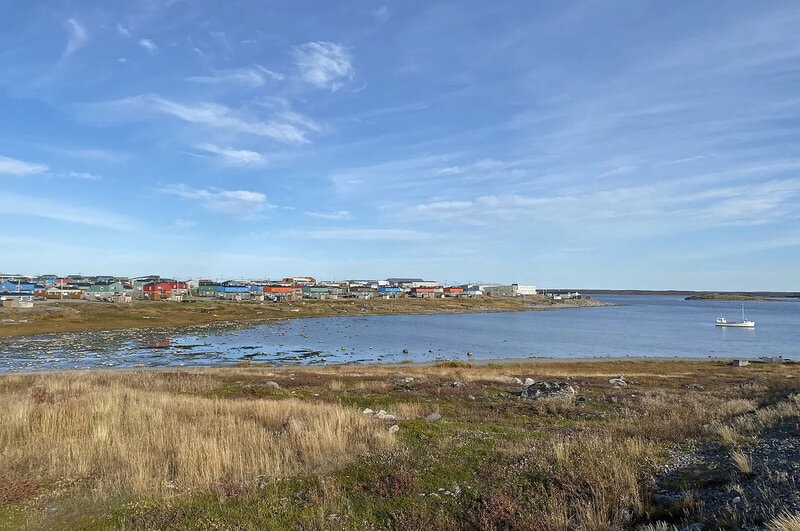
Image Credit: Virginie D. De la Chevrotière (CNW)
Why This Trend Is Growing
- Indigenous-language Degrees
- Accredited programs delivered in Indigenous languages create new models for culturally rooted professional education and localized credential pathways.
- Stackable Teacher Credentials
- Recognition of prior learning and staged credit milestones make certification systems more flexible for remote learners balancing education, work, and community commitments.
- Northern Context Curriculum
- Education pathways designed around regional culture, language, and geography signal a shift toward place-based learning systems that strengthen local workforce pipelines.
Industries Being Reshaped
- Higher Education
- Universities can expand access through community-anchored degree routes that align academic standards with local language and cultural needs.
- Teacher Training
- Certification bodies are positioned to modernize licensing frameworks by incorporating flexible pathways for underrepresented and remote teaching candidates.
- Indigenous Education
- Culturally grounded program design supports long-term capacity building by connecting language preservation with professional advancement in home communities.