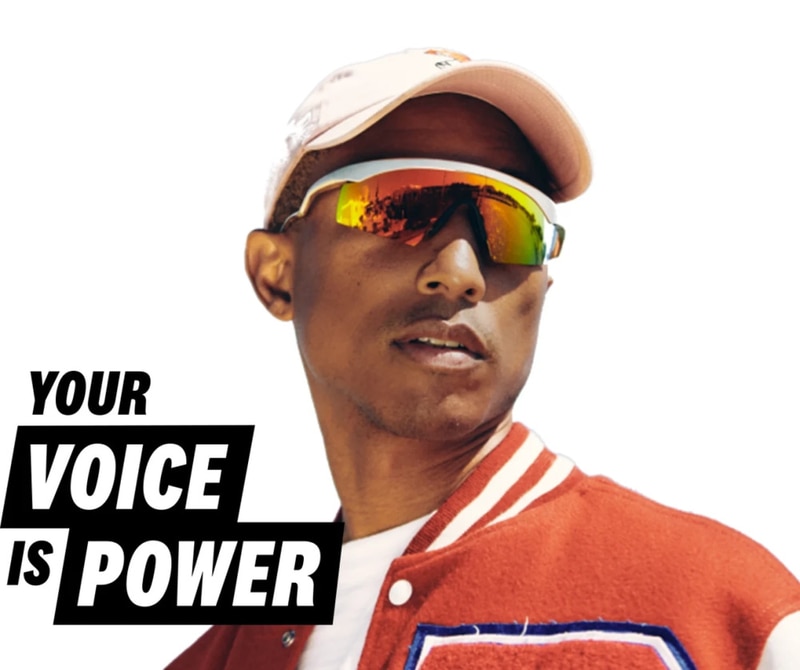
Amazon launched the 2026 edition of Your Voice is Power, a national program that teaches middle and high school students coding through music, featuring remixes of tracks by Indigenous artists and a curriculum available in English, French, Ojibwe and Inuktitut. The initiative, run by Amazon Future Engineer Canada with Amazon Music and TakingITGlobal, used EarSketch — a browser-based code editor — to let students build digital skills while engaging with Indigenous histories and perspectives.
The eight-module lesson plan explored topics such as Residential Schools, the Sixties Scoop and the Truth and Reconciliation Commission’s 94 Calls to Action, and students could submit remixes to a national competition with scholarship prizes. By expanding to reach more than 35,000 students in 2026, the program aimed to broaden access to tech learning, connect cultural storytelling with practical coding experience and spotlight underrepresented pathways into in-demand digital careers.
Image Credit: Amazon
Why This Trend Is Growing
- Music-driven Coding Education
- Blending music production with programming creates novel learning pathways that could reshape how computational thinking is taught to young learners by leveraging creative expression as an entry point.
- Multilingual Indigenous-inclusive Curricula
- Curricula offered in English, French, Ojibwe and Inuktitut point to new models of culturally responsive education that challenge one-size-fits-all approaches and expand access for historically underserved communities.
- Cultural Storytelling in STEM
- Integrating Indigenous histories and perspectives into technical subjects signals an opportunity to reframe STEM learning around community narratives and ethical context rather than purely technical skill transfer.
Industries Being Reshaped
- Educational Technology
- Browser-based code editors and modular lesson platforms are positioned to disrupt traditional classroom tools by enabling scalable, interactive, and culturally adaptable learning experiences.
- Music Streaming and Licensing
- Platforms that facilitate licensed remixes and artist collaborations for educational use could transform content monetization and distribution by linking cultural content with pedagogical use cases.
- Workforce Development and Talent Pipelines
- Programs that tie creative coding to scholarships and competitions offer new talent-sourcing mechanisms that may diversify entry routes into in-demand digital careers.