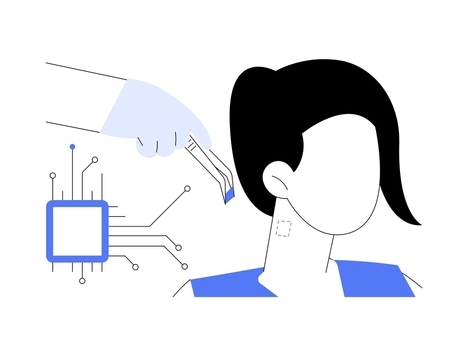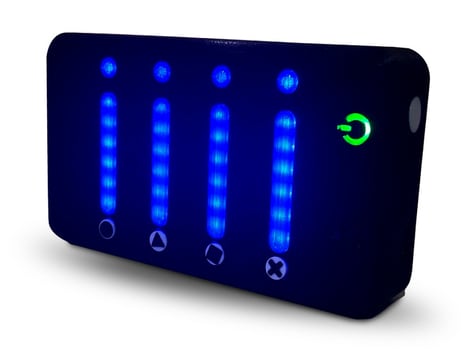

Phantom Neuro is advancing implantable prosthetic controllers with Phantom X, a device designed to translate intended hand and arm movements into wireless instructions for robotic limbs. The sensor sits beneath the skin above remaining muscles, detecting electrical activity when users attempt to move missing fingers or wrists. This approach aims to provide more natural prosthetic control without requiring brain surgery.
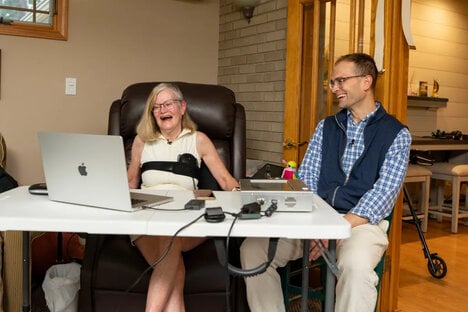
The first human implantations took place at Cabrini Health in Melbourne, Australia, as part of the ongoing CYBORG study. Each outpatient procedure lasted approximately one hour without general anesthesia. Researchers are evaluating the device's safety, performance, and usability among participants with upper-limb loss.
For prosthetic care providers, a relatively straightforward implantation process could eventually make advanced limb-control technology more accessible. However, Phantom X remains investigational, and further clinical testing is necessary before its commercial potential can be established.
Image Credit: Phantom Neuro
What's Driving This Trend
- Wireless Myoelectric Implants
- Subcutaneous muscle-sensing systems introduce a less invasive path to intuitive prosthetic control, creating space for compact hardware, long-life power design, and secure body-area connectivity.
- Brain-free Neural Interfaces
- Peripheral signal capture offers an alternative to brain surgery for human-machine control, widening possibilities for scalable neuroprosthetics with lower procedural complexity.
- Outpatient Bionic Procedures
- Short implant procedures without general anesthesia could reshape adoption dynamics for advanced prosthetic technologies by reducing clinical burden and access barriers.
Who This Affects Most
- Prosthetics and Orthotics
- Advanced implantable controllers may elevate expectations for natural limb function, encouraging providers to integrate surgical partnerships, device calibration, and long-term digital care models.
- Medtech Devices
- Wireless implant platforms for movement intent detection represent a growing frontier for miniaturized sensors, biocompatible materials, and regulatory-ready human performance validation.
- Rehabilitation Healthcare
- More responsive prosthetic control systems could influence therapy pathways by linking physical rehabilitation with personalized data feedback and adaptive training protocols.