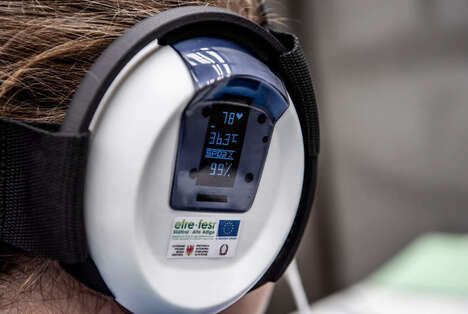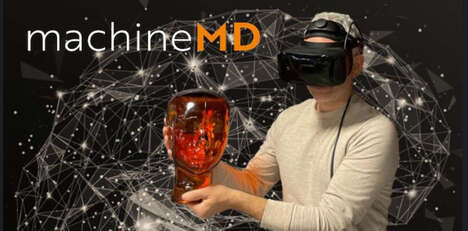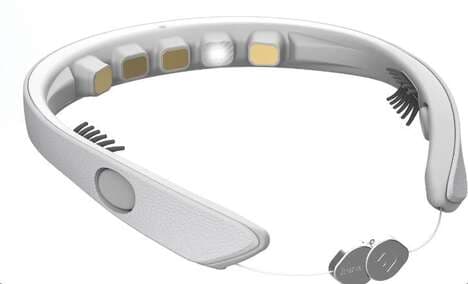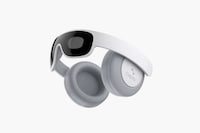
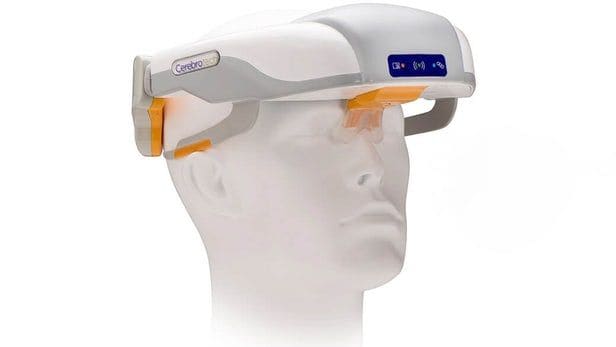
A Californian company by the name of Cerebrotech Medical Systems has created a futuristic, high-tech visor that is designed to make the process of stroke detection easier and more effective for doctors.
When worn on the patient's head, this high-tech visor uses a method known as volumetric impedance phase shift spectroscopy, in which it transmits low-energy radio waves that travel through the brain fluid, which alters their frequency. The visor then analyzes the frequency changes to detect whether the patient has suffered a stroke.
This stroke-detecting visor has been cleared by the FDA, and has been proven in tests to be far more accurate than conventional stroke-testing tools, making this a great example of bold wearable technology applications showcasing the potential to save lives while also making diagnostic processes more cost-efficient.
What Makes This Trend Stand Out
- High-tech Visors
- Opportunity for implementing advanced technology in headwear for medical diagnostic purposes.
- Stroke Detection
- Advancements in stroke-detecting technology to improve accuracy and efficiency in diagnosis.
- Wearable Technology Applications
- Utilizing wearable technology for medical purposes to enhance diagnostic processes and potentially save lives.
Sectors Adopting This
- Medical Devices
- Innovating medical devices and diagnostic tools to improve stroke detection and patient outcomes.
- Healthcare Technology
- Creating new solutions in healthcare technology to enhance diagnostic capabilities for stroke patients.
- Wearable Technology
- Developing wearable technology for medical applications, specifically in stroke detection and monitoring.