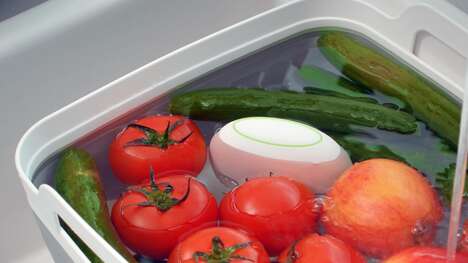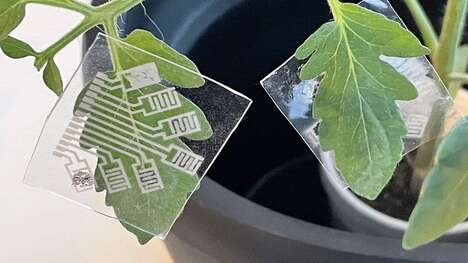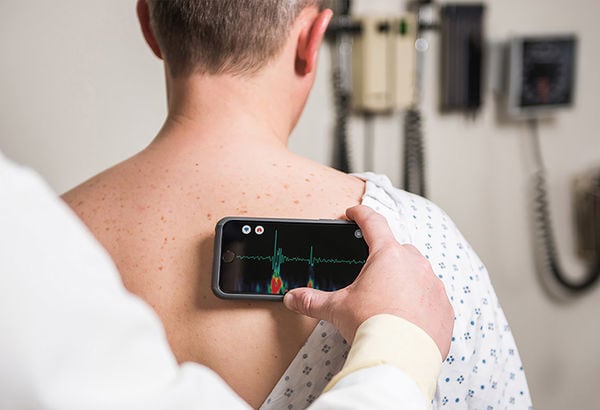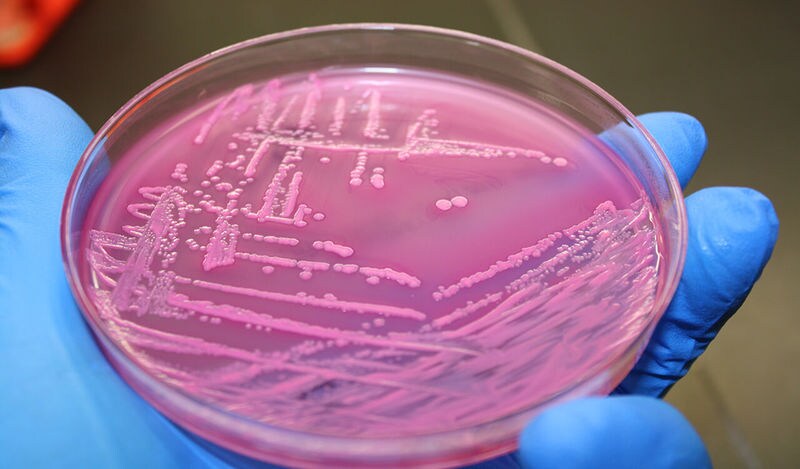
This nanosensor is designed to detect foodborne illnesses in just hours and prevent a widespread outbreak of contagious and deadly diseases. Olfaguard is an Israeli company established by marine biologist Pierre Salameh that uses nanotechnology based on the electric nose by Professor Hossam Haick. Olfaguard developed the e-nose in an endeavor to stop sicknesses caused by food distribution, such as pathogens like E-Coli and Salmonella.
The new sensor unit, which is still under development, is capable of returning 94% accurate test results in 6 hours. This is much faster than current methods, which can take up to 3 days and uses expensive lab equipment. Solutions like this one address global health concerns as foodborne illnesses and the spread of infection pose very real threats to developing communities and densely populated city centers.
What's Driving This Trend
- Nanosensor Detection
- The rise of nanosensors in detection technology highlights the opportunity to develop faster and more accurate methods of detecting pathogens in the food supply chain.
- Electric Nose Technology
- The applications of electric nose technology in areas such as food safety opens up the potential for industries to develop novel solutions to prevent the spread of foodborne illnesses.
- Rapid Testing
- The adoption of rapid testing methods in food safety provides fertile ground for innovation in the development of real-time solutions that could prevent widespread outbreaks of contagious and deadly diseases.
Who This Affects Most
- Food Safety
- The development of nanosensor detection technology for foodborne illnesses presents opportunities for the food safety industry to create more efficient and reliable systems to prevent outbreaks.
- Medical Diagnostics
- The use of nanosensors in detecting pathogens in food could represent a new opportunity for the medical diagnostics industry to develop more accessible and fast-working technologies.
- Agriculture
- Incorporating nanosensor detection technology in agriculture and food production practices could lead to more proactive prevention and treatment of diseases that impact crop yields and food safety.