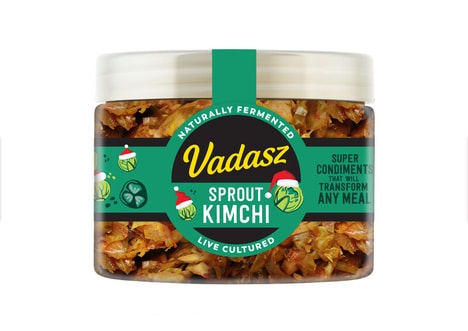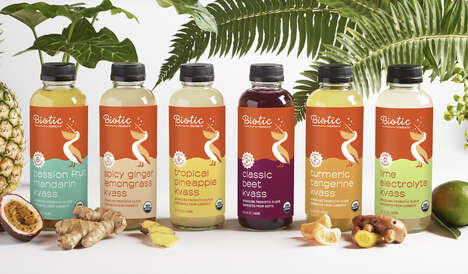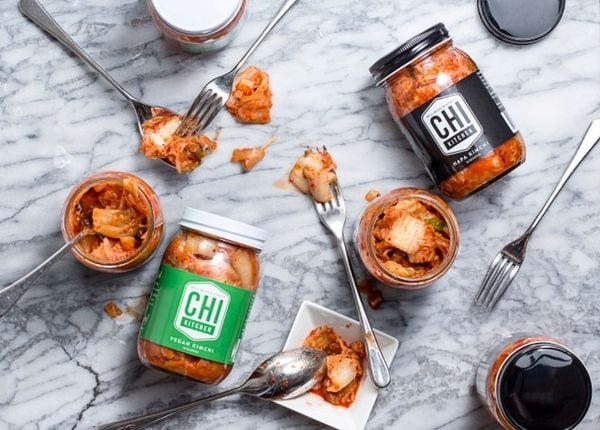
There are some age-old fermentation methods that people have used for thousands of years to create fermented vegetables, as well as a variety of foods and beverages. While the techniques involved in fermentation may not have changed over time, consumer interest in probiotic-rich edibles has skyrocketed as of late. This in particular is what makes BAO's Cultured Vegetables noteworthy.
BAO's 'Raw Slaw' includes varieties such as Green Slaw, Spicy Slaw and Tangy Slaw that are made with colorful ingredients like onions, red peppers, cabbage and radish, as well as a few sweet fruits like apples and pears.
The Cultured Vegetable products from BAO are especially appealing to consumers who are interested in easy-to-digest foods that are rich with bacteria that will be beneficial to the maintenance of good gut health.
What's Driving This Trend
- Probiotic-rich Edibles
- The rising consumer interest in probiotic-rich foods creates an opportunity for businesses to innovate and create healthier food options.
- Fermentation Techniques
- The traditional fermentation methods can be reimagined or modernized to produce products that cater to the increasing demand for probiotic-rich foods.
- Good Gut Health
- Good gut health is becoming a top priority for consumers, which is an opportunity for businesses to provide products that support digestive health.
Who This Affects Most
- Food and Beverage
- Businesses in the food and beverage industry can continue to innovate by incorporating probiotic-rich ingredients in their products.
- Health and Wellness
- Businesses specializing in health and wellness can provide probiotic supplements and other digestive health solutions to meet consumer demand.
- Organic and Natural Products
- The increasing demand for fermentation and probiotic-rich products creates an opportunity for businesses in the organic and natural product industry to develop new offerings.