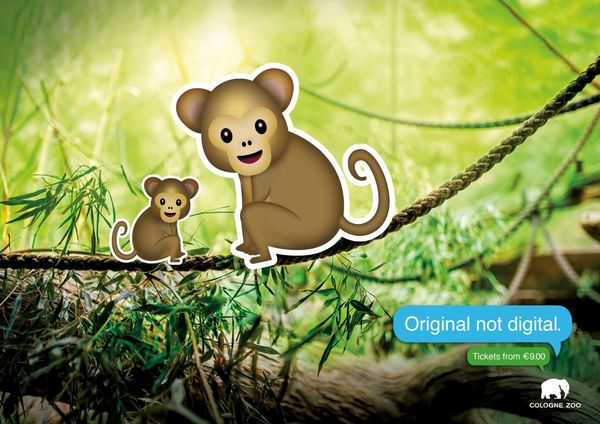
Prevalent use of emojis is changing the way people communicate with each other, which is why businesses are using them in their emoticon ad campaigns. Trend Hunter Research Writer Laura McQuarrie shares her top picks for emoji branding, from fast food emojis to blossoming emoji gardens and even emoji protest signs.
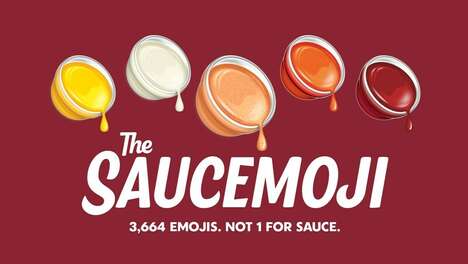
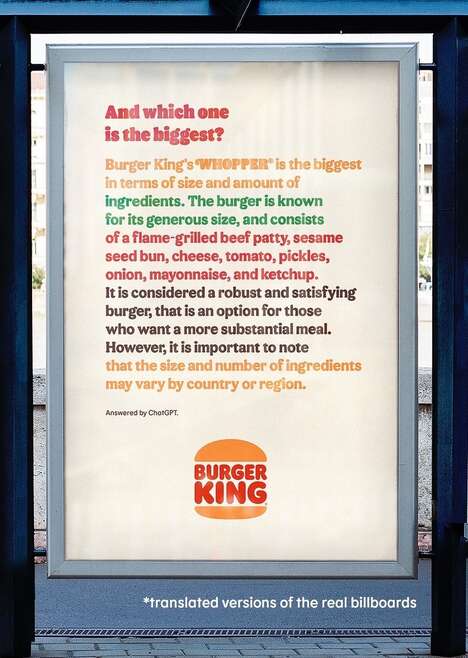
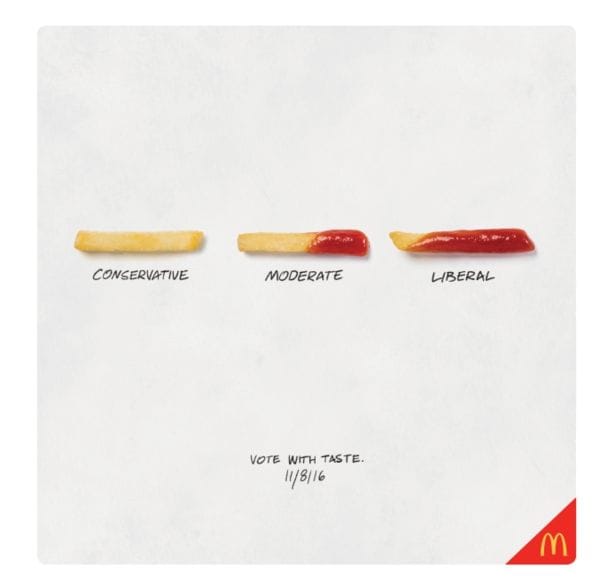
The Burger King keyboard celebrates the return of their chicken fries by allowing people to send branded chicken fry emoticons to express themselves. The McDonalds emoticon ad campaign turns classic menu items into emoji posters. Pentagram created a different kind of poster for the People's Climate March in London, which displayed emojis to raise awareness. To convince people gardening isn't just for old people, the Miracle-Gro #SpringMoji Garden campaign asked people to submit a floral emoticon to create an enormous crowdsourced garden.
What Makes This Trend Stand Out
- Emoticon Advertising
- Businesses are incorporating emojis into their ad campaigns, allowing for more expressive and relatable messaging.
- Branded Emoticon Keyboards
- Companies are creating custom keyboards with branded emoticons, providing consumers with a new way to engage with their favorite brands.
- Crowdsourced Emoji Campaigns
- Crowdsourcing floral emojis to create a large-scale garden demonstrates the power of user participation in marketing campaigns.
Sectors Adopting This
- Fast Food
- Fast food chains like Burger King and McDonald's are showcasing their products by transforming them into emojis, creating a fun and interactive way for customers to connect with their brands.
- Advertising and Marketing
- The rise of emoji branding opens up new opportunities for advertising and marketing agencies to develop creative campaigns that resonate with the evolving communication habits of consumers.
- Gardening and Landscaping
- The use of emojis in gardening campaigns, such as the Miracle-Gro #SpringMoji Garden, brings a youthful and modern twist to promote gardening as a hobby for all ages.