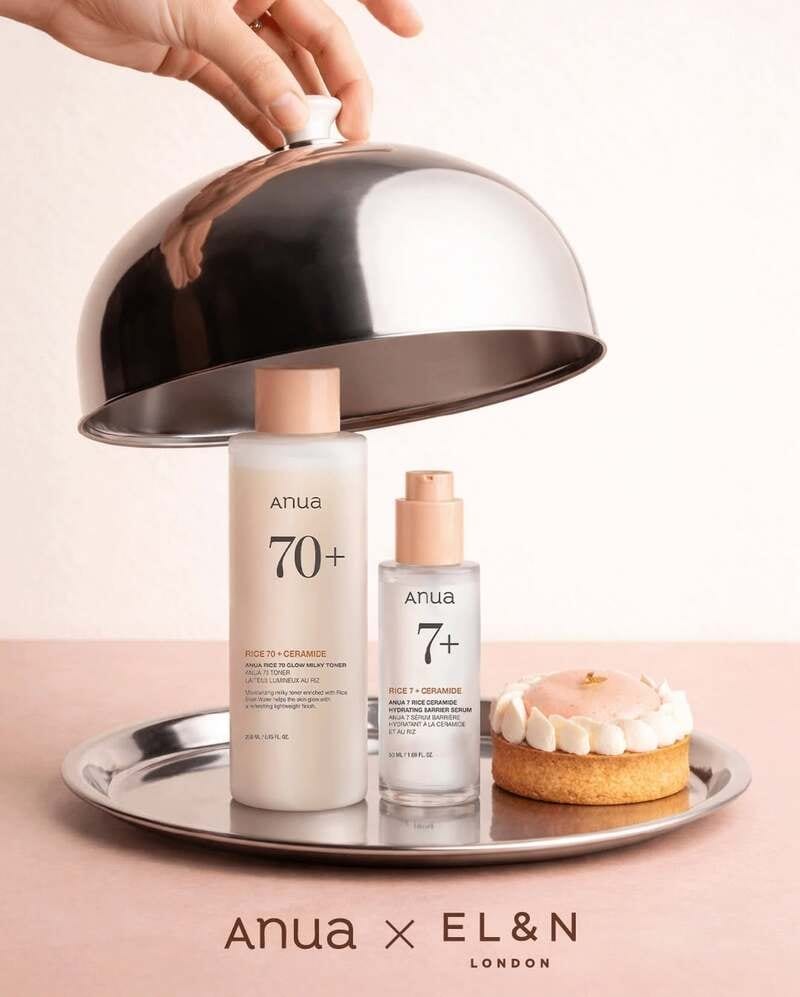
K-beauty brand Anua teamed up with luxury UK café chain EL&N to create the limited-time EL&N x ANUA Honey Glaze Cake, and a special skincare deal for those who purchase the baked treat.
The sweet cake itself takes the form of a coconut frangipane layered with honey, peach jelly glaze, peach mousse and white chocolate ganache, and consumers who pick it up receive an Anua skincare duo valued at £46: Anua’s 7 Rice Ceramide Hydrating Barrier Serum and Rice 70 Glow Milky Toner.
This elevated, premium, sensorial offering bridges Korean skincare and food in a fun way, making it easy for consumers to indulge in a sweet treat and invest in self-care all at once.
What's Driving This Trend
- Co-branded Food-beauty Products
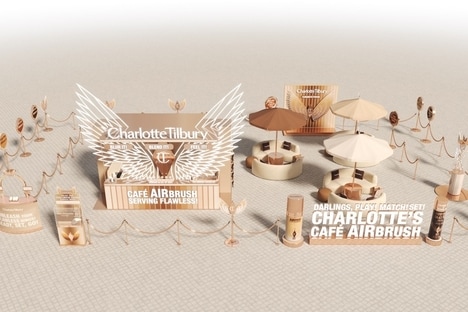
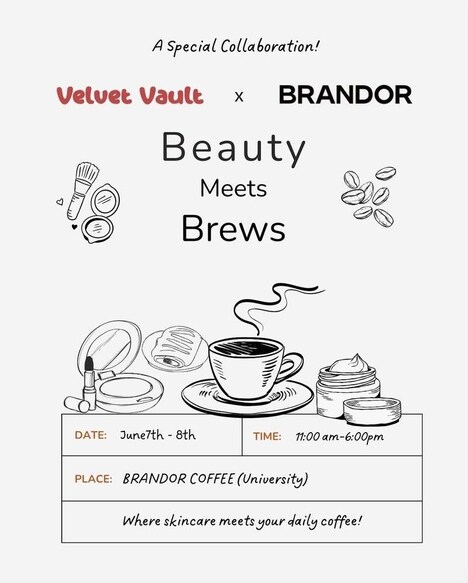
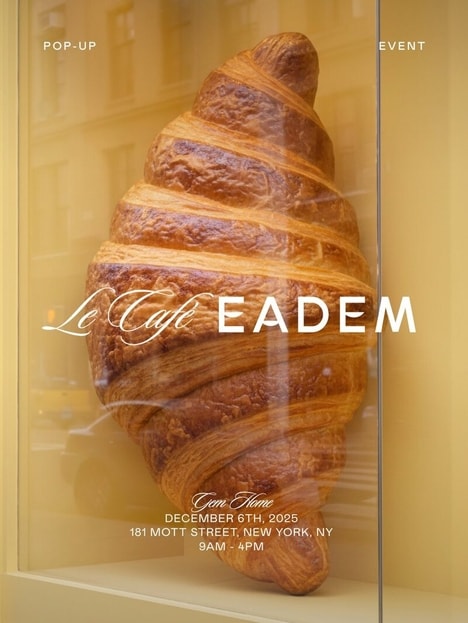
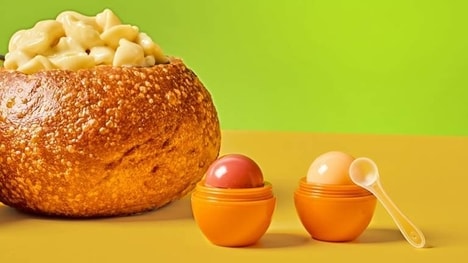
- Co-branded edible items paired with beauty products create hybrid offerings that blur the lines between indulgence and self-care, enabling new cross-category value propositions.
- Experiential Consumable Collaborations
- This melding of sensory food experiences with premium beauty brands emphasizes multi-sensory marketing opportunities that transform routine purchases into memorable brand interactions.
- Purchase-linked Skincare Incentives
- Offering skincare gifts with food purchases highlights bundling strategies that can reframe acquisition channels and drive trial through unexpected touchpoints.
Who This Affects Most
- Cafés and Bakeries
- Premium cafés and patisseries can evolve into lifestyle destinations where curated product tie-ins expand revenue beyond food and beverage sales.
- Cosmetics and Skincare
- K-beauty and broader skincare brands are positioned to leverage edible partnerships as alternative distribution and sampling ecosystems that deepen consumer engagement.
- Hospitality and Lifestyle Retail
- Boutique hotels, concept stores, and lifestyle retailers could integrate co-branded consumables to create differentiated guest retail experiences that increase ancillary spending.