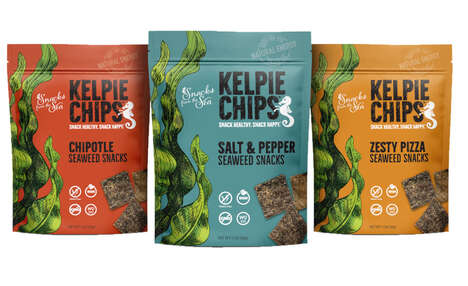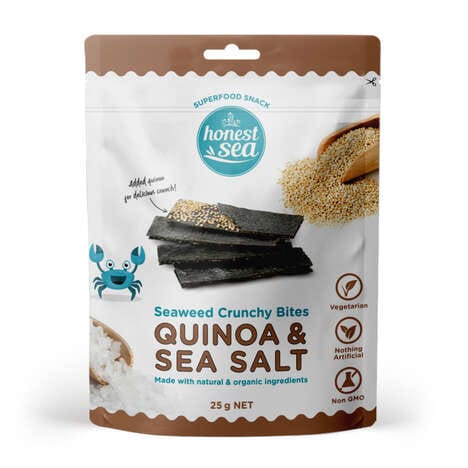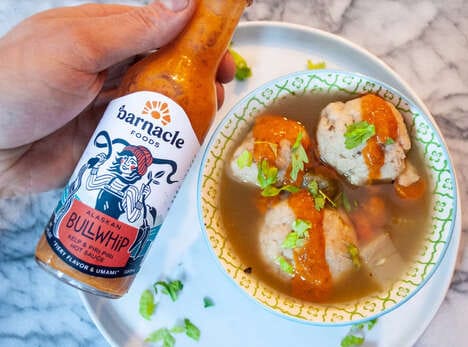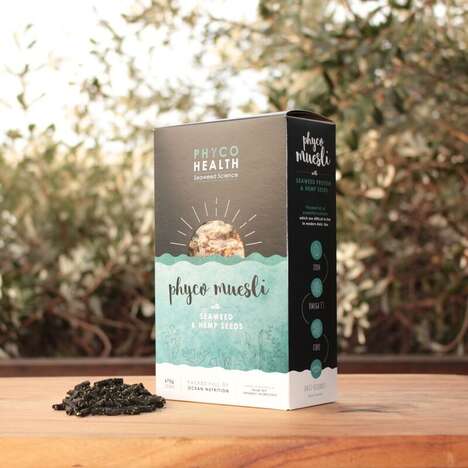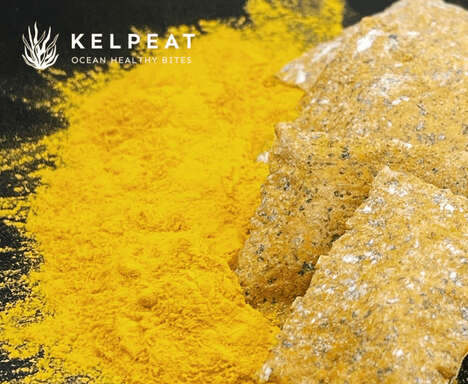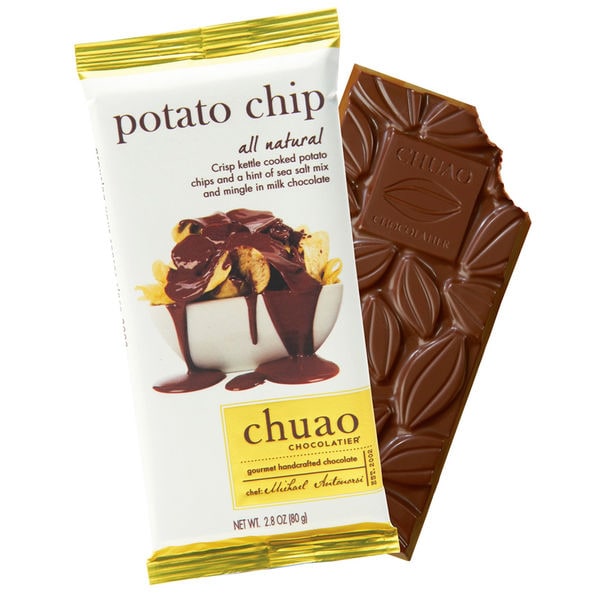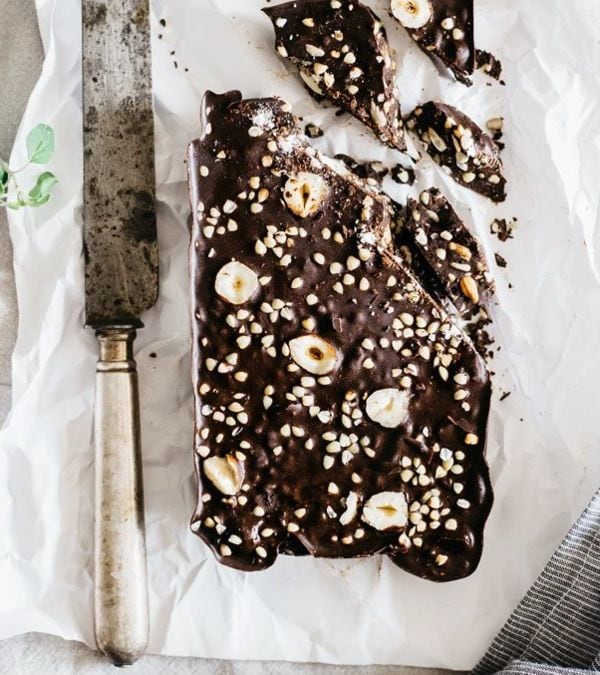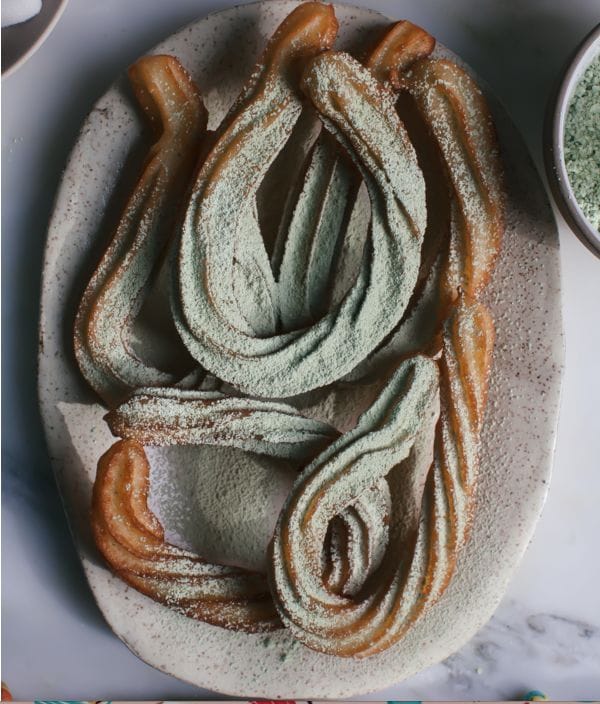

Dulse is the name of what is going to be the next big superfood on the market, if it isn't already. Bigger than kale, or so Fast Company predicts, it's a seafood that when cooked tastes eerily like bacon. There is no way you can go wrong with that. Dulse is a born winner.
Fast Company writes, "Wild dulse, which is sold as a specialty item at places like Whole Foods, grows primarily on the shores of Ireland and the north Atlantic coast and is notoriously difficult to harvest: It’s plucked by hand and can deteriorate quickly." With demand outpacing supply, it's a hot commodity that's good for a number of reasons, the least of which is health.
What's Driving This Trend
- Rising Demand for Dulse
- The increasing popularity of dulse as a bacon-flavored superfood presents opportunities for innovation in the food industry.
- Sustainable Seaweed Farming
- The difficulty in harvesting dulse and its limited supply calls for disruptive innovations in sustainable seaweed farming practices.
- Alternative Protein Source
- Dulse's potential as a bacon substitute offers a disruptive opportunity for plant-based protein manufacturers to cater to the growing demand for meat alternatives.
Who This Affects Most
- Superfood Industry
- With dulse projected to become the next big superfood, the industry should explore ways to capitalize on its health benefits and unique culinary qualities.
- Seafood Industry
- The rising demand for dulse and its bacon-like flavor presents a disruptive opportunity for the seafood industry to develop new products and meet consumer preferences.
- Agriculture Industry
- The challenges associated with dulse harvesting and its limited availability create opportunities for innovation in sustainable seaweed farming practices within the agriculture industry.