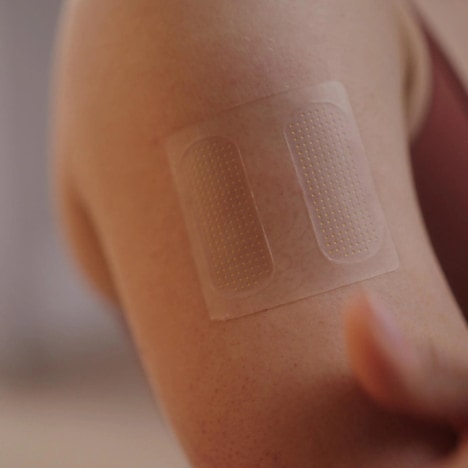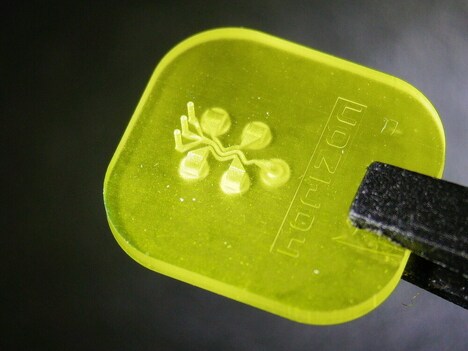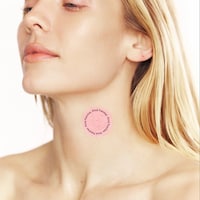
Researchers at Queen’s University Belfast introduced a dissolving microneedle patch that was 3D printed to carry two skin cancer drugs directly within the resin, enabling the device to be formed in a single fabrication step. The microneedles are designed to pass through the outer skin without drawing blood before dissolving and delivering curcumin and 5-fluorouracil at the treatment site.
The team mixed both compounds into the printable resin before producing the patch, avoiding the need to coat drugs onto previously manufactured needles. The approach is intended to increase drug loading and penetration while enabling a two-stage release that researchers say could be tailored to individual patients.
For patients, the technology could provide a simpler, less painful and minimally invasive method for localized cancer drug delivery. Because the microneedles dissolve after use, the approach may also reduce needle-stick risks and medical sharps waste while demonstrating the potential of single-step, drug-loaded additive manufacturing.
Image Credit: Shutterstock/Nordroden
What's Driving This Trend
- Printed Drug Delivery
- Single-step additive manufacturing of drug-loaded devices creates possibilities for more personalized, localized treatments with simplified production and fewer post-processing requirements.
- Dissolving Microneedles
- Biodegradable microneedle systems present a less painful alternative to injections while reducing sharps waste and improving patient comfort in at-home or clinical care settings.
- Localized Cancer Therapy
- Targeted release of oncology drugs at the treatment site offers potential to limit systemic exposure, improve dosing precision and support patient-specific therapeutic profiles.
Who This Affects Most
- Medical Devices
- Drug-integrated wearable patches expand device functionality beyond delivery mechanics, opening pathways for multifunctional products that combine fabrication, dosing and disposal advantages.
- Pharmaceuticals
- Formulating active compounds directly into printable resins signals new models for drug-device combinations, customized release profiles and localized treatment development.
- Oncology Care
- Minimally invasive skin cancer treatments could reshape outpatient care by making localized therapy simpler, more tolerable and potentially adaptable to individual patient needs.