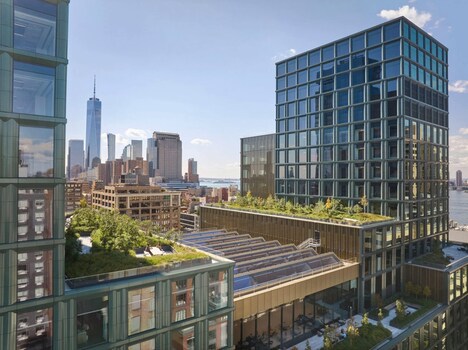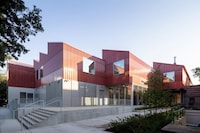
Diller Scofidio + Renfro created two new buildings for Columbia Business School's campus. The design team used a layer-cake design to complete the buildings, making for a unique facade. The architecture firm completed the two Manhattanville campus buildings in collaboration with FXCollaborative.
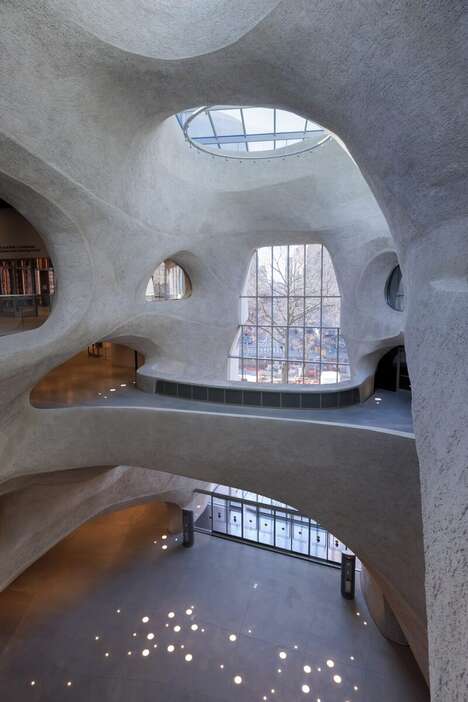
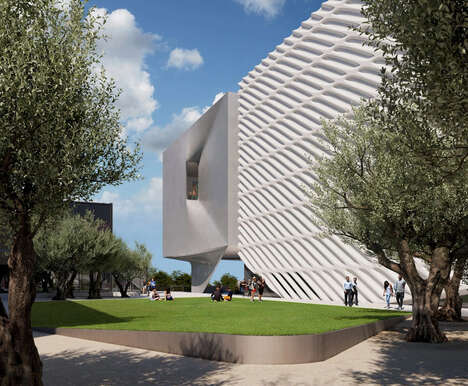
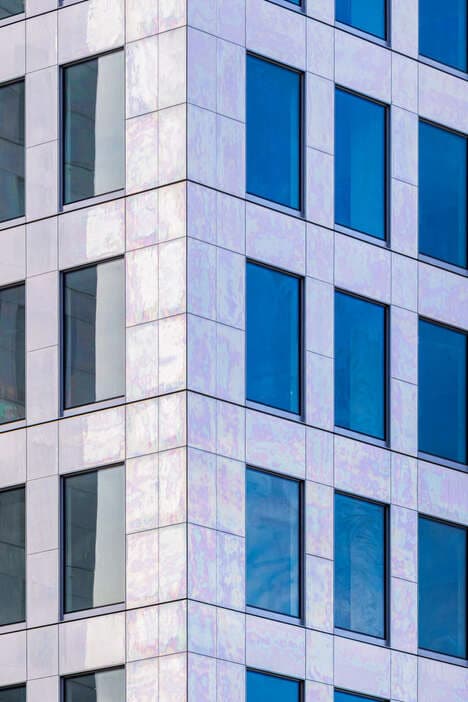
The buildings are called Henry R Kravis Hall and David Geffen Hall. They span a 17-acre site north of the university's existing campus in Upper Manhattan. The space boasts an open layout filled with light, which reflects modern business's approach to the future while maintaining the fundamentals of traditional business education. In addition, both buildings boast glass facades that were constructed with the aforementioned layering technique to create depth and movement throughout the structures.
Image Credit: Diller Scofidio + Renfro
Why This Trend Is Growing
- Layered Architecture
- Exploring the use of layering technique in building facades can create an innovative and dynamic look for future structures.
- Open Layouts
- Designing more open layouts in structures to encourage interaction and collaboration among its occupants can become a trend in creating modern workspaces.
- Mixing Traditional and Modern Design
- Blending traditional and modern design elements can create unique structures that appeal to different generations and perspectives.
Industries Being Reshaped
- Architecture
- The architecture industry can leverage the layered technique utilized in the Columbia Business School's campus to create innovative and aesthetically pleasing buildings.
- Education
- Incorporating open and collaborative spaces in educational institutions can attract and retain students by providing an engaging learning environment.
- Real Estate
- Integrating modern design elements with traditional buildings can add value to real estate properties by enhancing their overall appeal and functionality.