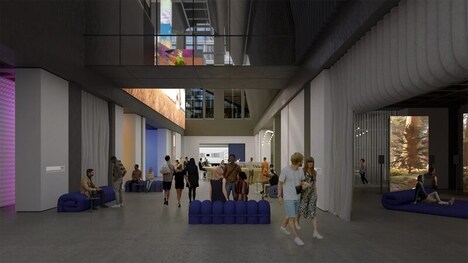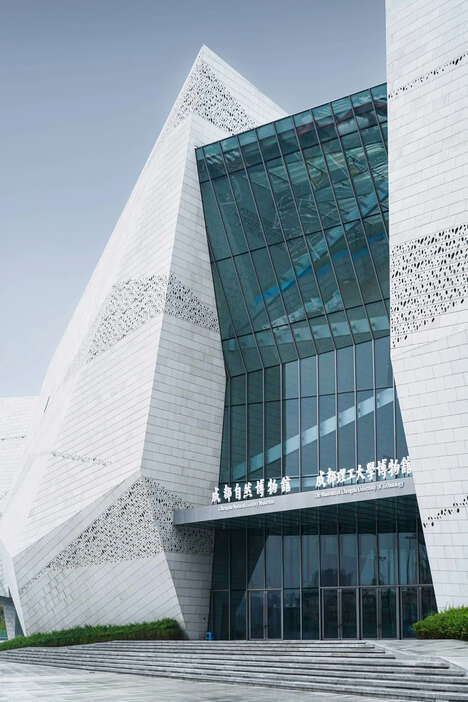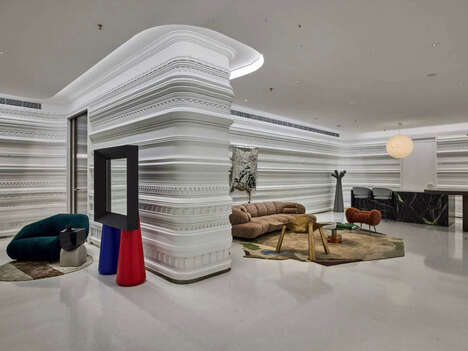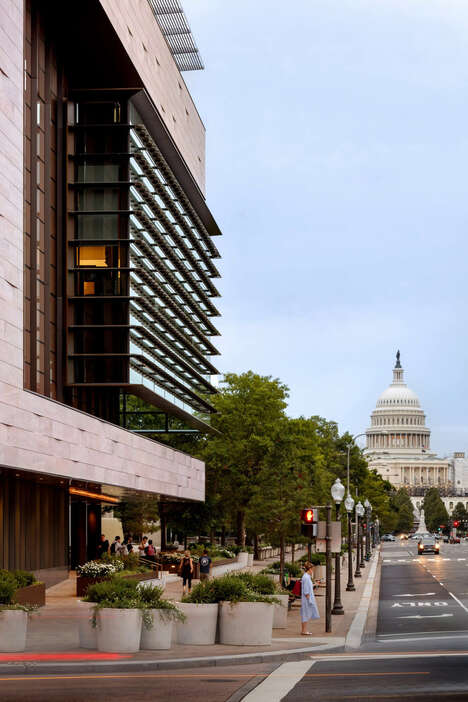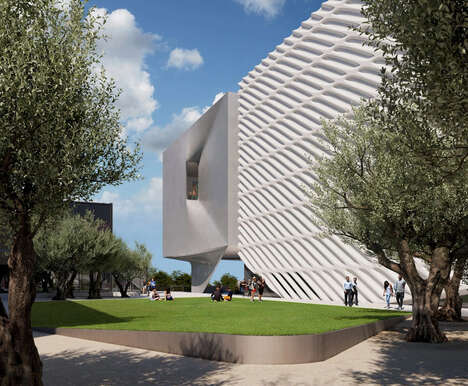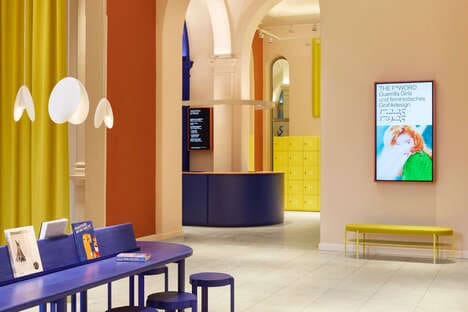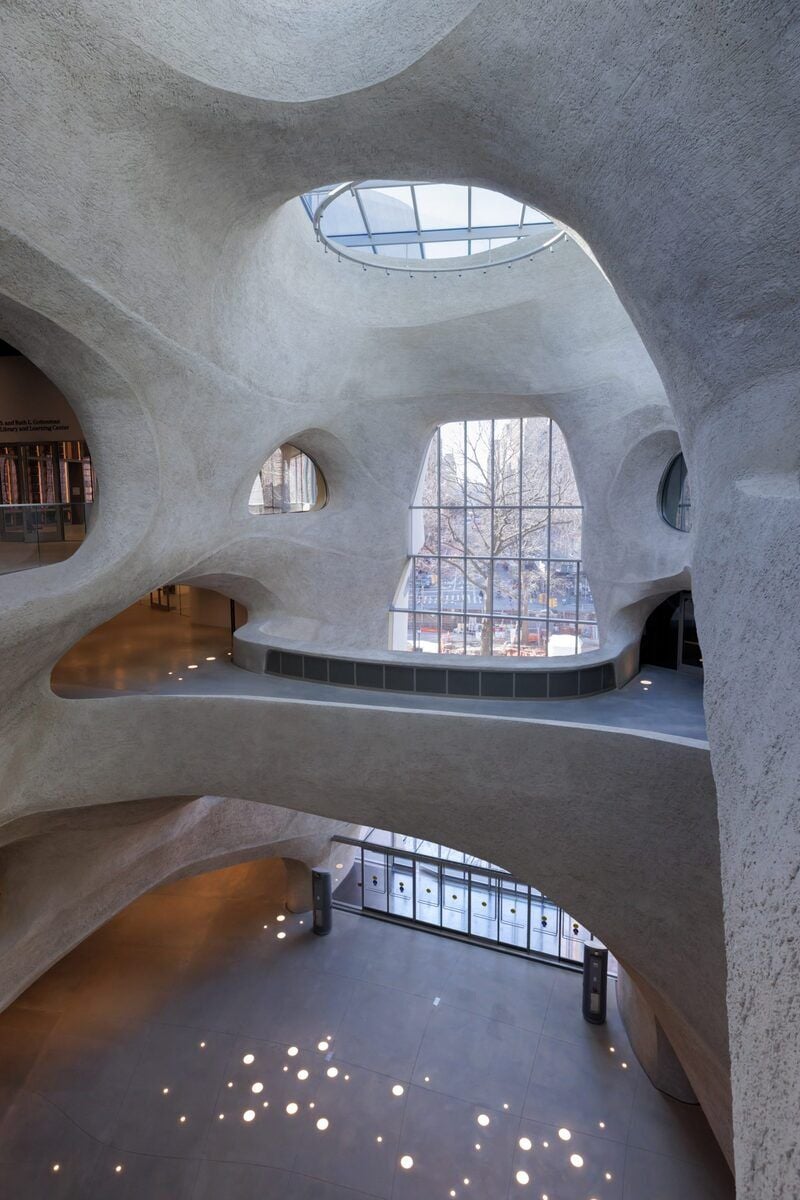
Chicago-based architecture firm Studio Gang designs the Gilder Center in Manhattan to create a sense of connectivity highlighterd by the large atrium that is meant to provoke a sense of exploration. The building is between two Romanesque buildings with a stone facade. It also uses the same stone that is found at the main entrance building -- Milford pink granite.
The studio brought their attention to internal experiences to the rest of the museum's building. Studio Gang explains to Dezeen that "It's a contemporary space that is evocative of discovery, and I think that's something it has in common with natural landscapes like caves, grottoes and cenotes. It's not about pure transparency. I can't see everything all at once."
Image Credit: Studio Gang
Why This Trend Is Growing
- Discovery-themed Centers
- The trend of designing museum spaces with a sense of exploration and discovery can be expanded to other public spaces such as libraries and community centers.
- Cave-like Architecture
- The use of natural materials and elements such as stone and water in architectural designs can create a sense of connection to nature and a desire for exploration.
- Internal Experience Design
- Considering the emotional impact of space design on visitors or users can lead to innovative building designs that create a unique, memorable experience.
Industries Being Reshaped
- Museums and Art Galleries
- Museums and art galleries can incorporate discovery-themed center designs that create a sense of excitement and exploration for visitors.
- Library and Education Centers
- Libraries and education centers can embrace cave-like architecture designs to enhance the learning experience for students and visitors.
- Hospitality and Tourism Industry
- Hospitality and tourism companies can create unique and innovative guest experiences through internal experience design, using elements of nature and discovery to create memorable stays for guests.