Reebok recently announced a sustainable product initiative called 'Cotton + Corn' that will introduce consumers to plant-based footwear later on this year.
The project from Reebok Future considers three key phases of a product's lifecycle, such as making the footwear out of "things that grow," delivering performance features and offering a way for the product to return to the earth after it has served its primary purpose—Reebok's plant-based Cotton + Corn shoes can be composted after use.
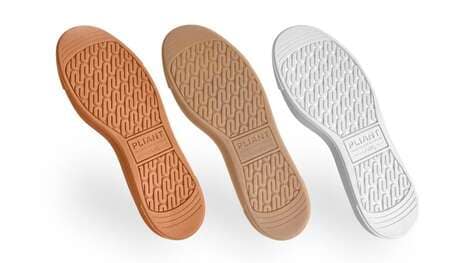
Reebok has announced that the first shoe it will release as part of this initiative will have an upper of organic cotton and a base made from industrially grown, non-food corn. The use of these resources differs greatly from many of the petroleum-based materials used in many popular footwear styles today.
Why This Trend Is Growing
- Plant-based Footwear
- The trend of using plant-based materials for footwear can disrupt the traditional footwear industry by offering eco-friendly and sustainable options.
- Circular Fashion
- The trend of circular fashion can disrupt the footwear industry by introducing compostable shoes that can be returned to the earth after use, reducing environmental harm.
- Sustainable Product Lifecycle
- The trend of creating sustainable product lifecycle can disrupt the footwear industry by bringing a comprehensive approach to product design and innovation to reduce waste in the entire lifecycle of a product.
Industries Being Reshaped
- Footwear
- The footwear industry has the opportunity to explore the use of plant-based materials and circular fashion to meet the demand for sustainable and eco-friendly products.
- Fashion
- The fashion industry has the opportunity to integrate the principles of circularity and sustainability into product development and operations, including footwear.
- Agriculture
- The agriculture industry has the opportunity to explore innovative ways to grow plants, like non-food corn, that are suitable for use in sustainable footwear and other products.