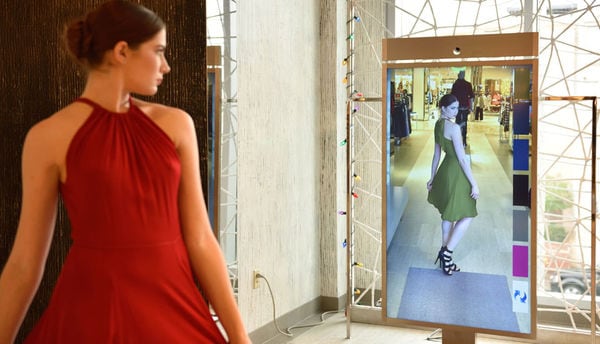
The Connected Fitting Room was created as part of a joint effort between Accenture, Avanade and Microsoft, designed to make fitting rooms more efficient for both consumers and retailers.
The high-tech fitting room makes use of RFID tagging to make note of the items brought into the dressing room. Information grabbed includes the item's size and color, so that it is easy to swap for another style or color choice. The registry is connected to the store's inventory, so consumers can be assured if an item is in stock or not. If your shopping trip just involves trying garments on, items in the Connected Fitting Room can also be added to a consumer's account wish list for purchase on a later date.
Currently, this technology is being used by Khol's department stores in the United States.
Key Themes Behind This Trend
- Rfid-tagged Fitting Rooms
- Creating fitting rooms that use RFID tagging to improve the shopping experience for both consumers and retailers presents an opportunity for disruptive innovation in the retail industry.
- Interactive Fitting Room Tech
- Interactive fitting room technology that allows customers to browse and shop clothing in-store, as well as make purchases online, presents an opportunity for disruptive innovation in the retail industry.
- Connected Inventory Management
- Connecting the inventory of a store to fitting room technology could present an opportunity for disruptive innovation in the inventory management industry.
Where This Applies
- Retail
- Incorporating fitting room technology into the shopping experience presents an opportunity for disruptive innovation in the retail industry.
- Technology
- Developing cutting-edge fitting room technology presents an opportunity for disruptive innovation in the technology industry.
- Inventory Management
- Incorporating connected inventory management into fitting room technology presents an opportunity for disruptive innovation in the inventory management industry.