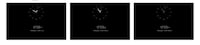


Reimagining the way that the hour is displayed and read is a popular project for many designers. The Color Wheel Timepiece is a spectacularly singular concept that deviates greatly from the predictable analog mechanism.
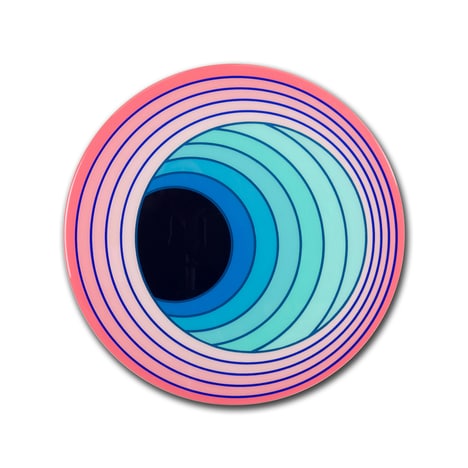
Scott Alberstein included three concentric circles within the casing of the wristwatch, each functioning as a spinning dial. The separate discs represent hours, minutes and seconds, rotating and aligning beneath a small slice of a window.
As one grows accustomed to deciphering the time of day with the Color Wheel Timepiece, he will come to associate the different vivid tints with particular points throughout the 24-hour period. For instance, yellow shades on one dial might be representative of the morning hours and green hues might signify the later part of a 60-minute term.
What Makes This Trend Stand Out
- Alternative Time Display
- The Color Wheel Timepiece proposes a new way of displaying time using a color-coded system.
- Circular Designs
- Concentric circular dials are becoming a popular choice for alternative timepieces, breaking away from the traditional linear layouts.
- Association of Hues
- The Color Wheel Timepiece creates a connection between specific colors and particular hours, encouraging a new form of time interpretation.
Sectors Adopting This
- Watchmaking
- The watch industry can incorporate alternative time display designs in their products to appeal to a wider market who seeks uniqueness and creativity in timepieces.
- Design
- Designers can explore more ways to break conventions in time display mechanisms, tapping into the consumers' desire for novelty and innovation.
- Education
- Incorporating the association of hues with hours can be useful in teaching time interpretation in schools, providing a visual and creative method for students to learn time-telling.