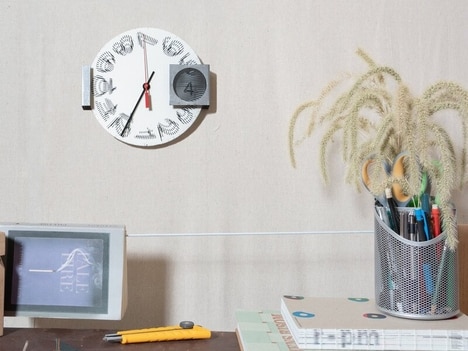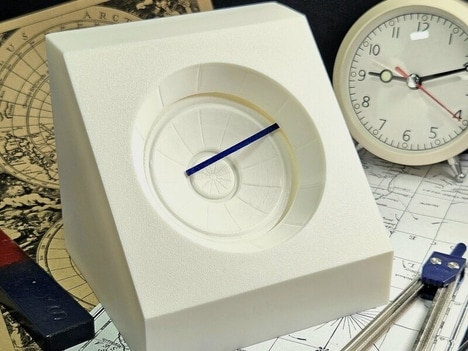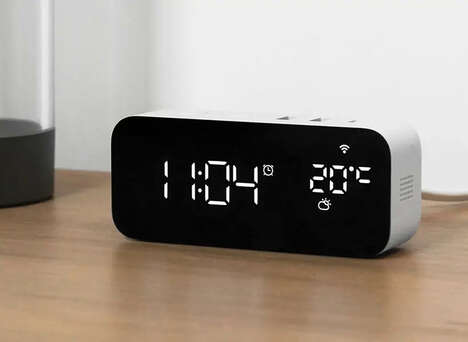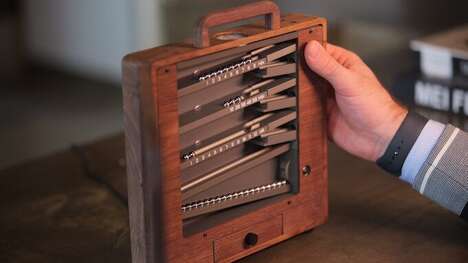
Conventional wall clocks are characterized by their basic design that is achieved with numbers and moving arms, but the conceptual 'O’clock' has been designed to change things in a big way. Highlighting a decidedly minimalistic aesthetic, the clock works by connectivity to WiFi and will convey the time to onlookers using a series of ballbearings. This is achieved thanks to strategically placed magnets within that make it appear as though the ballbearings are moving on their own to highlight a distantly magical time-telling experience.
The conceptual 'O’clock' is the design work of Alfredo Mendez x Bitshake Studio and is the winner of the 2020 Red Dot Design Concept award. The USB-C-powered wall clock could be easily plugged in and, thanks to its hollow design, wouldn't take up any visual space when mounted.
What Makes This Trend Stand Out
- Minimalistic Clock Designs
- Opportunities for creating minimalistic clock designs that replace traditional numbers and moving arms with innovative visual displays.
- Connected Clocks
- Disruptive innovation opportunities in the development of connected clocks that can convey time through unique methods, such as ballbearings.
- Magical Time-telling Experiences
- Potential for creating magical and immersive time-telling experiences through the use of strategic magnets and ballbearings in clock designs.
Sectors Adopting This
- Interior Design
- Innovative clock designs can enhance the aesthetics of interior spaces, providing a unique focal point for home and office environments.
- Smart Home Technology
- The development of connected clocks offers opportunities for integration within smart home ecosystems, providing users with convenient time-telling and automation capabilities.
- Product Design
- The use of magnets and ballbearings in clock designs presents opportunities for product designers to create visually captivating and unconventional timepieces.