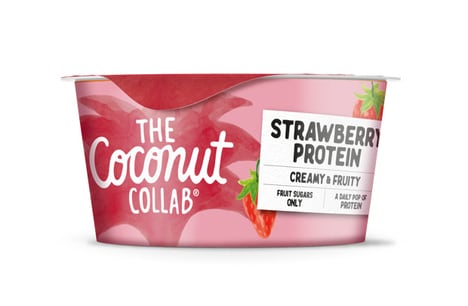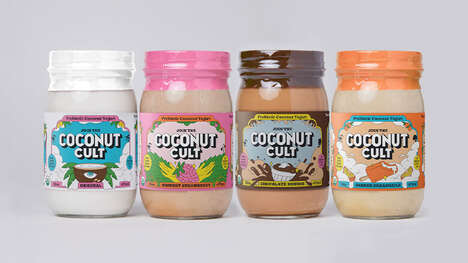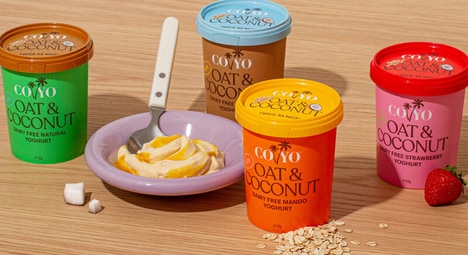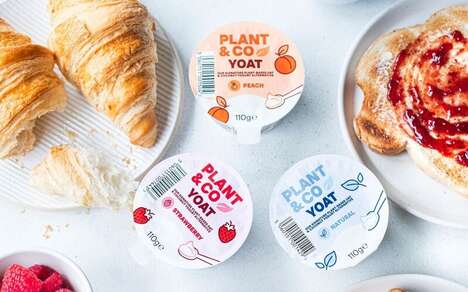


The Coconut Collaborative makes a variety of coconut-based, dairy-free indulgences, including mini pudding pots, popsicles—or as it calls them, 'Snowconut Sticks'—and now, it is launching a trio of coconut yogurts dubbed 'Yogs.' The all-new Yogs from The Coconut Collaborative include: Natural, Blueberry and Mango & Passionfruit flavors. As with its previously launched non-dairy treats, these coconut yogurt products are meant to feel indulgent but are not full of sugar.
The United Kingdom-based line is now making its debut in the United States, introducing consumers to healthy, flavorful and eco-friendly alternatives to conventional dairy yogurt products.
As well as appealing to the health-conscious consumer, the brand's mission will also align with those who are sustainably minded; The Coconut Collaborative works with Pur Project to plant thousands of coconut trees in southeast Asia on an annual basis.
Image Credit: The Coconut Collaborative
Key Themes Behind This Trend
- Non-dairy Yogurts
- Developing a range of non-dairy yogurts satisfies the demands of the lactose-intolerant and vegan demographic, and offers an opportunity for growth in the non-dairy sector of grocery stores and restaurants.
- Indulgent Health Foods
- Creating indulgent health foods that are satisfying and healthy offers an opportunity for growth in the health food sector.
- Sustainability in Food Production
- Incorporating sustainability efforts in food production meets the rising demand of eco-friendly brands and offers opportunities to appeal to consumers who care about the environment.
Where This Applies
- Dairy-free Products
- Makers of dairy-free products are rapidly innovating as there is a rising demand for alternative products for lactose-intolerant, vegan and health-conscious consumers.
- Healthy Treats
- The health food industry is shifting towards indulgent yet healthy and flavorful treats that fill the gap in the market as consumers become more conscious of their food choices.
- Sustainable Agriculture
- The incorporation of sustainable agriculture and ethical sourcing practices are making their way into the food industry, with a focus on eco-friendly and socially responsible production processes.