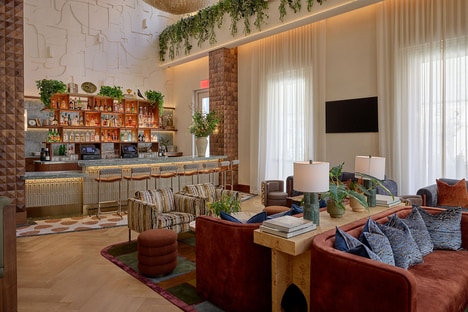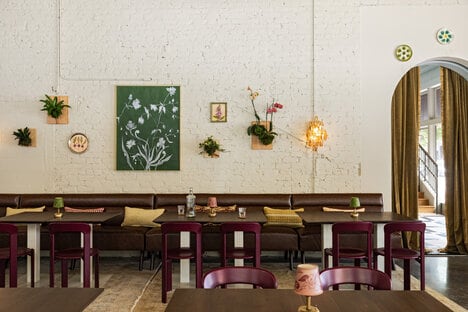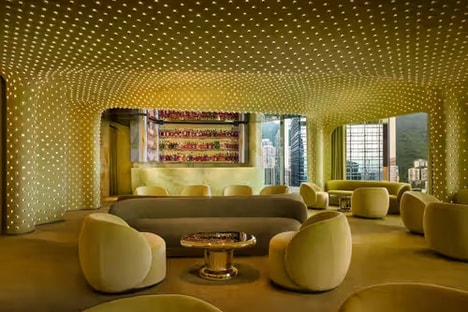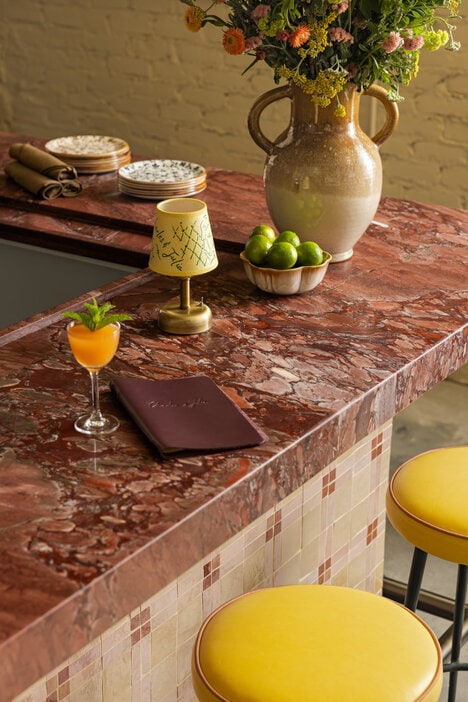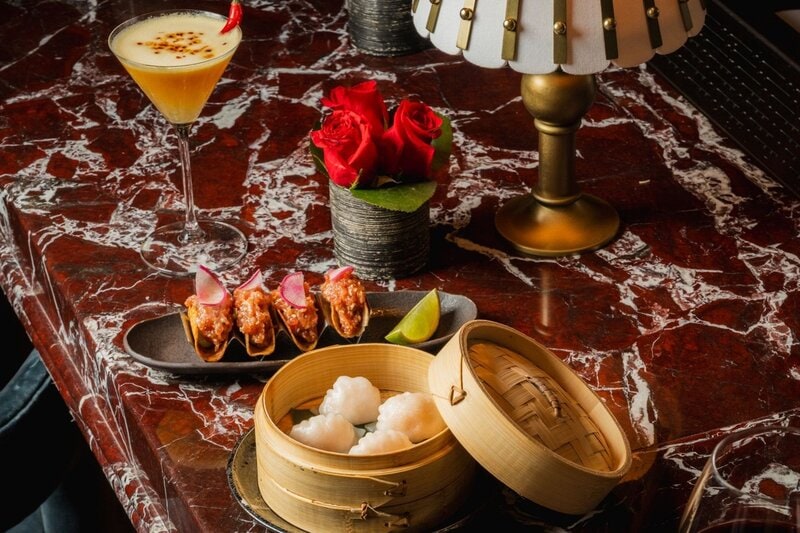
The luxury hotel The Setai, Miami Beach has introduced Jo’s Bar, a reimagined cocktail lounge that blends the property’s historic Art Deco heritage with the hotel’s signature Asian-inspired aesthetic.
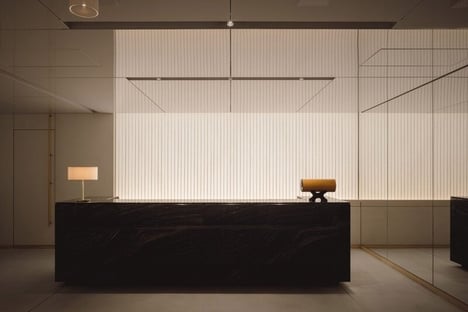
Some of Jo’s Bar's most noteworthy features include a back bar of illuminated resin blocks with gold leaf, deep burgundy Rosso Levanto stone with bamboo-inspired detailing, and a custom wine tower alongside hand-painted gold mesh lighting. Thus, the interior of the reimagined cocktail lounge presents a careful selection of rich materials — warm lighting, brushed brass, and ten-foot glass shelves — to create an atmosphere that feels both luxurious and inviting. This will certainly appeal to travelers and locals alike who seek a memorable environment for happy hour, pre-dinner gatherings, or late-night cocktails.
Image Credit: The Setai, Miami Beach
Why This Trend Is Growing
- Heritage-led Hospitality
- Historic design codes are becoming premium hospitality assets as venues translate architectural legacy into differentiated guest experiences with contemporary relevance.
- Material-rich Mixology Spaces
- Luxury cocktail lounges are using resin, stone, brass, and custom lighting to turn interiors into immersive brand signatures that extend beyond the beverage menu.
- Asian-art Deco Fusion
- Cross-cultural design hybrids are creating distinctive nightlife environments where regional aesthetics and period influences form more memorable social destinations.
Industries Being Reshaped
- Luxury Hotels
- Upscale properties are elevating in-house bars as destination venues that attract both overnight guests and local patrons through design-forward atmospheres.
- Interior Design
- Hospitality interiors increasingly favor bespoke materials and layered visual storytelling, opening space for studios specializing in experiential luxury environments.
- Food and Beverage
- Cocktail programs are being reframed around ambiance and occasion-based socializing, making venue design a central part of premium beverage positioning.