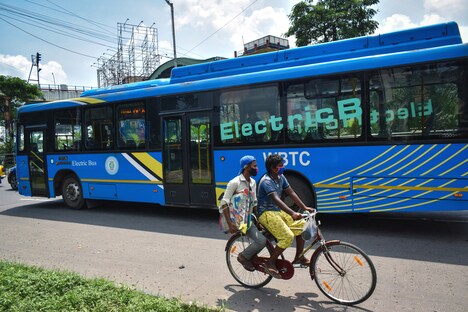
Electric buses are set to become an increasingly ubiquitous fixture on our roads and highways in the coming years, which is precisely why Proterra has put a lot of work and resources into developing an electric bus that is capable of exhibiting an extraordinary range of nearly 1,000 km on a single charge.
The Proterra Catalyst E2, which recently undergoing testing over at the Michelin proving grounds in South Carolina, will feature a storage capacity in the range of 440 to 660 kilowatt-hours. While it will not be able to offer four-figure range during practical consumer applications, it will still feature more than enough range to easily negotiate American transit routes.
This electric bus is truly a high-tech automotive accomplishment that will allow for efficient and eco-friendly mass transit.
What's Driving This Trend
- Electric Buses
- The rise of electric buses presents opportunities for companies to invest in the development and production of electric vehicle technology.
- Long-range Battery Storage
- Companies can benefit from the development of batteries that can store large amounts of energy, providing electric vehicles with more range and usability.
- Efficient and Eco-friendly Mass Transit
- Investments in the development of eco-friendly mass transit technologies can help reduce pollution and traffic congestion in urban areas.
Who This Affects Most
- Automotive
- Automotive companies can invest in the production of electric buses and the development of electric vehicle technology.
- Clean Energy
- The development of long-range battery storage technology can benefit companies involved in the clean energy industry.
- Smart Cities
- Smart city initiatives can involve the implementation of efficient and eco-friendly mass transit options to reduce pollution and traffic congestion.