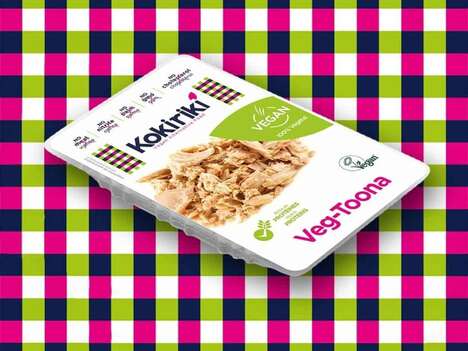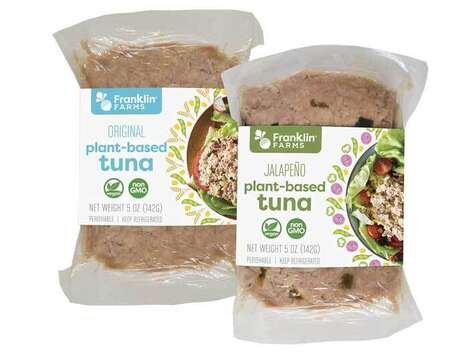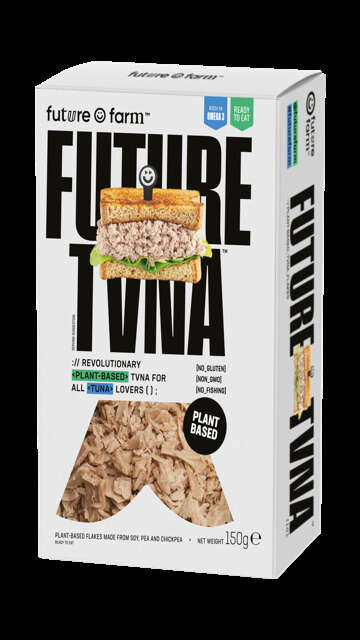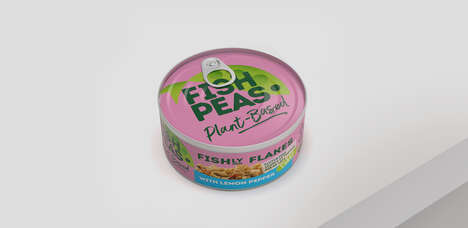
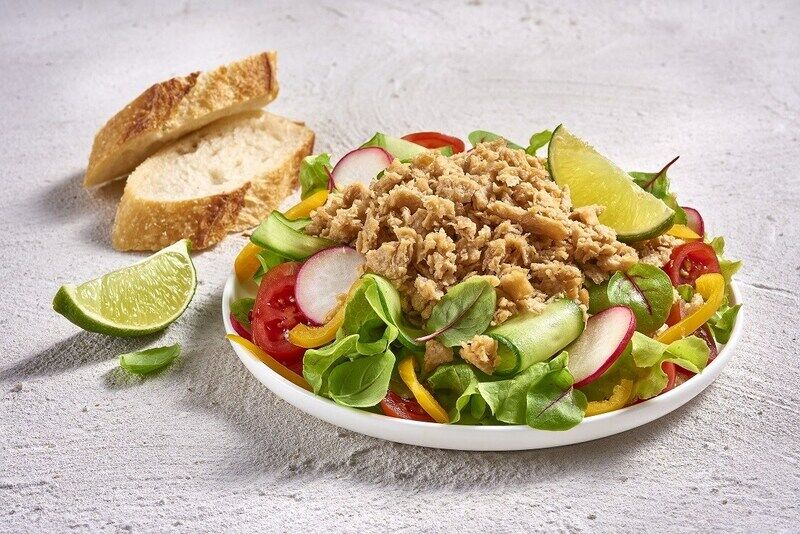
Food-tech developer and manufacturer of innovative plant-based alternatives Vgarden recently came out with a canned vegan tuna that rivals the look, taste and texture of the canned kitchen staple. This tuna analog is 100% plant-derived and it promises to help with a number of growing issues, namely overfishing, declining wild tuna populations and the increased demand for plant-based alternatives from consumers.
The tinned plant-based tuna made with pea protein is said to have "a very distinct flaky, yet moist and chewy texture, with a powerful fresh-from-the sea aroma." This product is one that's clean-label, affordable and sustainable and it was born out of a year of experimenting with different ingredients and processes. The private-label product is now being introduced to retail and foodservice in pouches for chilled storage, as well as cans for an authentic "tuna" experience.
Key Themes Behind This Trend
- Plant-based Proteins
- The growing demand for plant-based alternatives presents a disruptive innovation opportunity in the food industry.
- Sustainable Seafood Alternatives
- Creating sustainable seafood alternatives presents a disruptive innovation opportunity in the food industry.
- Clean Label Products
- Developing clean label products presents a disruptive innovation opportunity in the food industry.
Where This Applies
- Food Manufacturing
- The food manufacturing industry can capitalize on the demand for sustainable seafood alternatives and plant-based proteins.
- Retail
- Retailers can offer clean label and sustainable seafood alternatives to meet the demands of consumers.
- Food Service
- The food service industry can offer plant-based tuna analogs as a sustainable and competitive alternative to traditional tuna products.