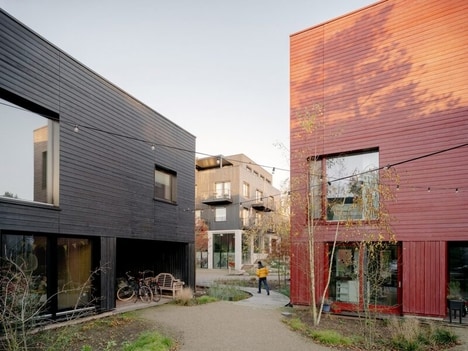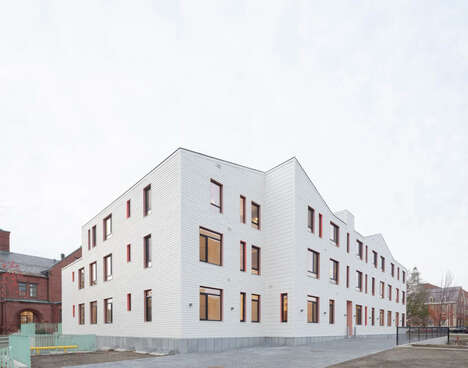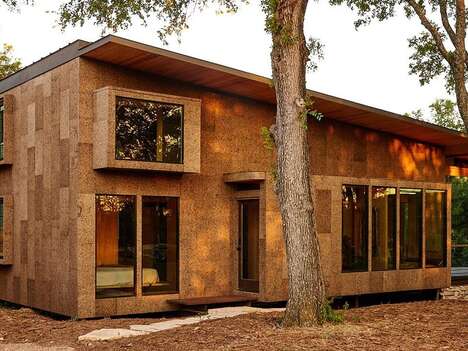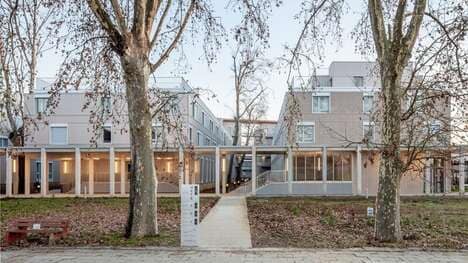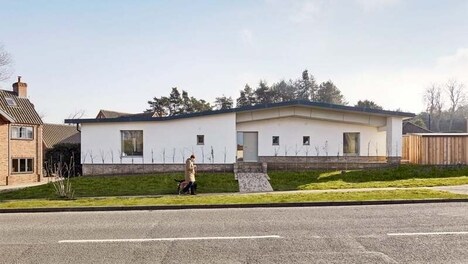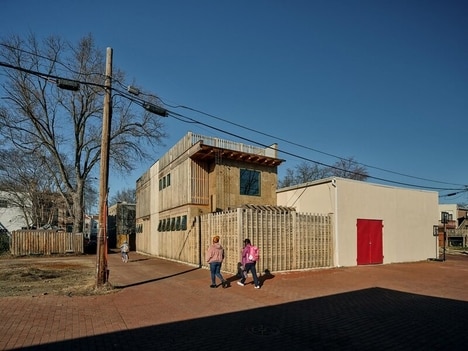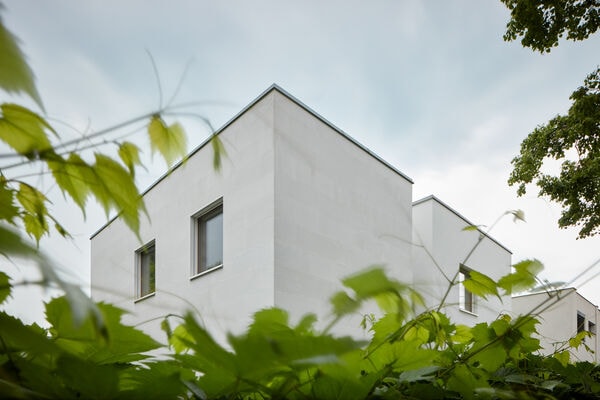


Barrault Pressacco is the architectural firm behind Paris's newest bio-based social housing. The mixed-used building references traditional Parisian apartment blocks. Located on the Rue Marx Dormoy in the city's 18th arrondissement, Barrault Pressacco's building hosts 15 units and two shops on the ground floor.
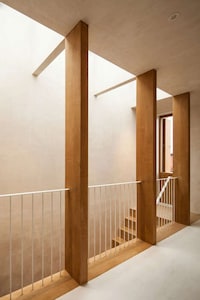
The bio-based building was designed to be respectful of its surroundings to fit into its heterogeneous urban context using wood and hempcrete materials. Hempcrete is a concrete alternative with a low footprint. Made from hemp fibers, the material is combined with a lime-based binding agent. Two small courtyards are inserted into the structure's plan to provide natural light, promoting air ventilation to the apartments. In addition, each floor is comprised of three units.
Image Credit: Barrault Pressacco
Why This Trend Is Growing
- Bio-based Mixed-use Buildings
- Architectural firms can create more sustainable social housing projects and mixed-used buildings using bio-based materials like hempcrete to minimize environmental footprint.
- Integration of Natural Light and Air Ventilation in Buildings
- Incorporating courtyards and design features that promote natural light and air flow can enhance the livability and sustainability of buildings.
- Repurposing Traditional Architecture for Modern Building Design
- Referencing traditional architectural styles can create buildings that fit better into their surroundings and appeal to local communities while incorporating modern, sustainable materials.
Industries Being Reshaped
- Architecture and Design
- Architectural firms can incorporate eco-friendly bio-based materials and traditional styles into their designs for more sustainable buildings.
- Sustainable Housing
- Housing developers can look to bio-based materials like hempcrete and designs that promote natural light and air flow to create more eco-friendly and livable housing.
- Urban Development and Community Planning
- Urban planners can use design strategies like incorporating courtyards and referencing traditional architecture to create more sustainable, livable urban environments.