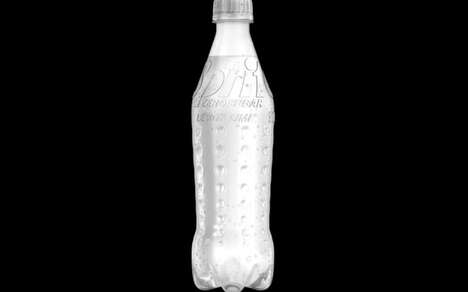
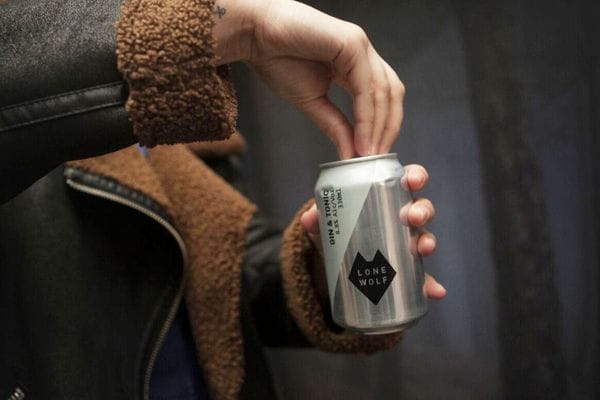
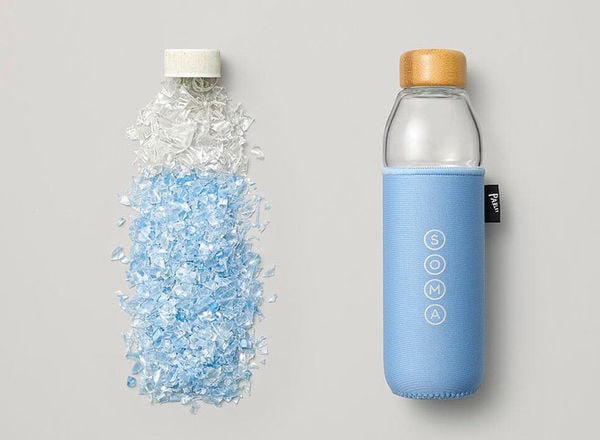
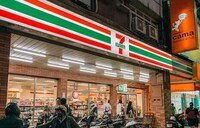
Selfridges, one of the most prominent department stores in the UK, has decided to take a strong ecological stance as the brand has now banned plastic bottles. Scheduled to take immediate effect, Selfridges' new initiative will stop the sale of almost six tonnes of plastic in a year and will hopefully force companies to adopt similar practices. The banning of bottles will apply mostly to carbonated beverages as Selfridges hopes to deter soft drink giants from using plastic in manufacturing.
The banned plastic bottles initiative follows the brands banning of plastic bags from stores and bottles from its restaurants. The decision to launch initiatives such as these place Selfridges as a pioneering eco-champion as it hopes to inspire similar initiatives in all sectors of business. The decision to enact the banned plastic bottles initiative was also driven by consumer reports which found a shift away from plastic water bottles and carbonated drinks.
Image Credit: Bloomberg
Why This Trend Is Growing
- Plastic-free Retail
- Selfridges' ban on plastic bottles sets a trend for other retailers to eliminate plastic from their operations.
- Sustainable Packaging
- The banning of plastic bottles presents an opportunity for innovative packaging solutions that are eco-friendly and biodegradable.
- Consumer-driven Sustainability
- Selfridges' move reflects a growing consumer demand for businesses to take environmental responsibility, opening up avenues for eco-conscious products and services.
Industries Being Reshaped
- Retail
- The ban on plastic bottles in Selfridges highlights an opportunity for other retailers to adopt sustainable practices and reduce plastic waste.
- Packaging
- The initiative to ban plastic bottles encourages the packaging industry to develop innovative solutions that minimize environmental impact.
- Beverage
- As Selfridges targets carbonated beverages, this initiative can spur disruptive innovation in the beverage industry by promoting alternative packaging materials and sustainable practices.