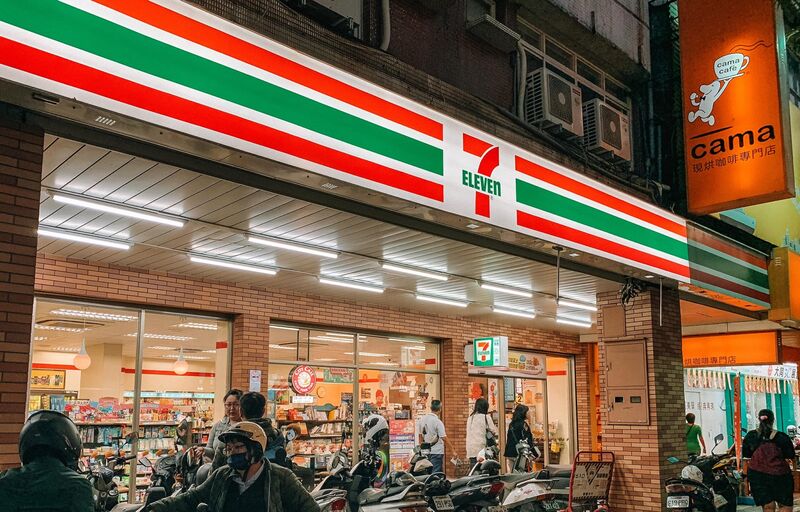
7-Eleven in Taiwan has taken steps in the right direction and vowed to implement a single-use plastic ban by 2050.
7-Eleven prides itself on being an outstanding, forward-thinking retailer. This single-use plastic ban comes from their new 'unified supermarket' environmental policies. This means that the single-use plastic ban would not only affect products found in stores, but all throughout the supply chain.
7-Eleven is a major retailer that generates thousands of tons of plastic waste annually, so a single-use plastic ban would be immensely beneficial for the environment of Taiwan. This single-use plastic ban targets the entire supply chain as well in an attempt to foster a more sustainable market culture in Taiwan.
The single-use plastic ban is the product of innovative R&D on design, manufacturing, packaging, and distribution by 7-Eleven. While this single-use plastic ban is currently only in 7-Eleven's Taiwan branch, this initiative sets an example for large supermarkets around the world to follow suit.
Image Credit: CKTravels, Greenpeace
Key Themes Behind This Trend
- Single-use Plastic Reduction
- Companies implementing single-use plastic bans across their supply chains to reduce environmental impact.
- Sustainable Packaging Innovation
- R&D efforts on design, manufacturing and packaging of sustainable alternatives to single-use plastics.
- Eco-friendly Supply Chains
- Companies taking a holistic approach to reducing their environmental footprint throughout their entire supply chain.
Where This Applies
- Retail
- Large retailers like 7-Eleven implementing single-use plastic bans in their stores and throughout their supply chains.
- Packaging
- Companies specializing in designing and manufacturing sustainable packaging materials to replace single-use plastics.
- Logistics and Transportation
- New systems and innovations developed by logistics companies to collect and recycle used packaging materials as part of a circular economy.