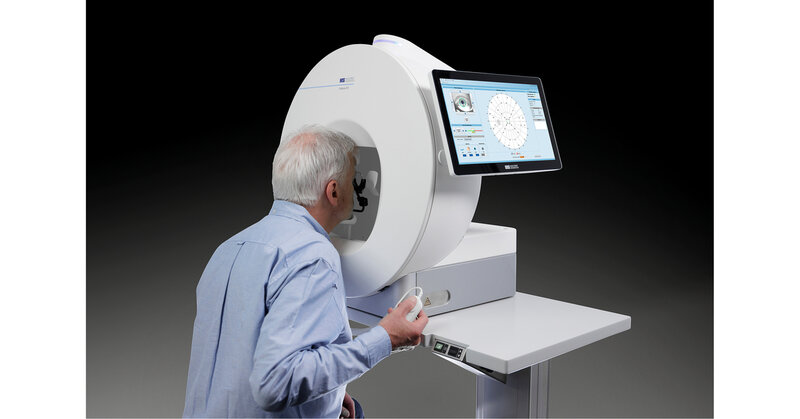
Haag-Streit has introduced automated glaucoma testing systems with its Octopus 910, designed to make visual field examinations more consistent and comfortable. The device combines automatic patient positioning, active eye tracking, and voice instructions to reduce setup errors and help clinicians assess vision changes with less manual intervention.
The Octopus 910 includes a motorized trial lens holder, integrated occluder, and status-light alerts to guide examinations. Specialized tools such as Cluster Analysis and Polar Analysis support glaucoma monitoring across different disease stages. Clinicians can also import existing HFA visual field records to track progression within one platform.
For eye care practices, these capabilities could reduce administrative effort, improve examination efficiency, and support more reliable assessments. Marco Lombart will provide nationwide distribution, training, and service support following the U.S. debut at AAO 2026, ahead of the planned global launch in January 2027.
Image Credit: Haag-Streit USA
Key Themes Behind This Trend
- Automated Vision Testing
- Self-guided positioning, tracking, and instruction systems create new potential for faster, more standardized diagnostic workflows in eye care settings.
- AI-supported Glaucoma Monitoring
- Advanced analysis tools and longitudinal record integration enable more precise disease progression insights across varying glaucoma stages.
- Patient-centered Diagnostics
- Comfort-focused interfaces and reduced manual intervention point to emerging opportunities for diagnostic systems that improve compliance and examination consistency.
Where This Applies
- Ophthalmology
- Automated visual field platforms may reshape clinical practice by reducing technician burden while improving reliability in glaucoma assessment.
- Medical Devices
- Integrated sensors, motorized components, and workflow software highlight growth potential for connected diagnostic equipment in specialty care.
- Healthcare IT
- Cross-platform record imports and centralized progression tracking signal demand for interoperable systems that unify diagnostic histories.