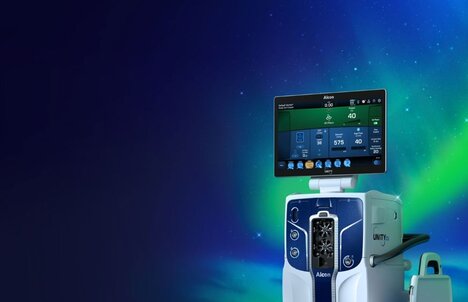
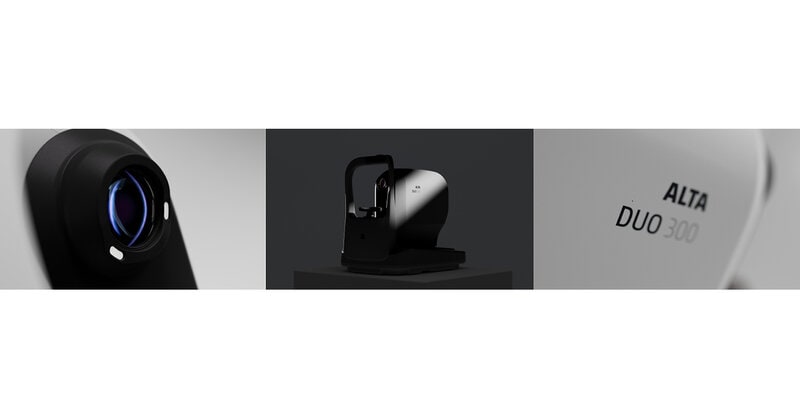
Automated multimodal retinal imaging is helping eye care practices consolidate diagnostic capabilities through the ZEISS ALTA DUO 300. The compact, fully automated device combines structural OCT and true color fundus photography with AI-enhanced OCT angiography and full chamber depth anterior OCT scanning. Automated acquisition is designed to produce consistent results while reducing the complexity of incorporating multiple imaging functions into everyday patient care.
By integrating four diagnostic technologies into one platform, ZEISS gives practices an alternative to operating separate imaging systems while supporting varying patient volumes and clinical priorities. The streamlined format could help eye care providers make advanced retinal imaging more practical within routine workflows. For ZEISS, expanding its OCT portfolio allows the company to address a wider range of practice requirements and strengthen its ophthalmic ecosystem. Similar consolidated systems could also encourage medical technology companies to prioritize automation and multifunctionality when developing clinical imaging equipment.
Image Credit: Carl Zeiss Meditec AG
What's Driving This Trend
- Consolidated Diagnostic Platforms
- Multifunctional imaging systems create openings for clinics to reduce equipment fragmentation while expanding access to advanced diagnostics in routine care settings.
- AI-enhanced Eye Imaging
- Artificial intelligence embedded in retinal imaging enables more consistent data capture and analysis, reshaping how practices manage screening, monitoring, and specialist referrals.
- Automated Clinical Workflows
- Fully automated acquisition supports scalable diagnostic processes where staff efficiency, repeatable outputs, and patient throughput become key differentiators for care providers.
Who This Affects Most
- Ophthalmology
- Eye care providers benefit from compact multimodal systems that make sophisticated retinal and anterior segment imaging more practical across diverse practice environments.
- Medical Imaging
- Device manufacturers face new opportunities in combining automation, AI, and multiple modalities into single platforms that simplify clinical infrastructure.
- Healthcare Technology
- Digital health ecosystems are strengthened by connected diagnostic tools that integrate richer imaging data into everyday patient management and care coordination.